
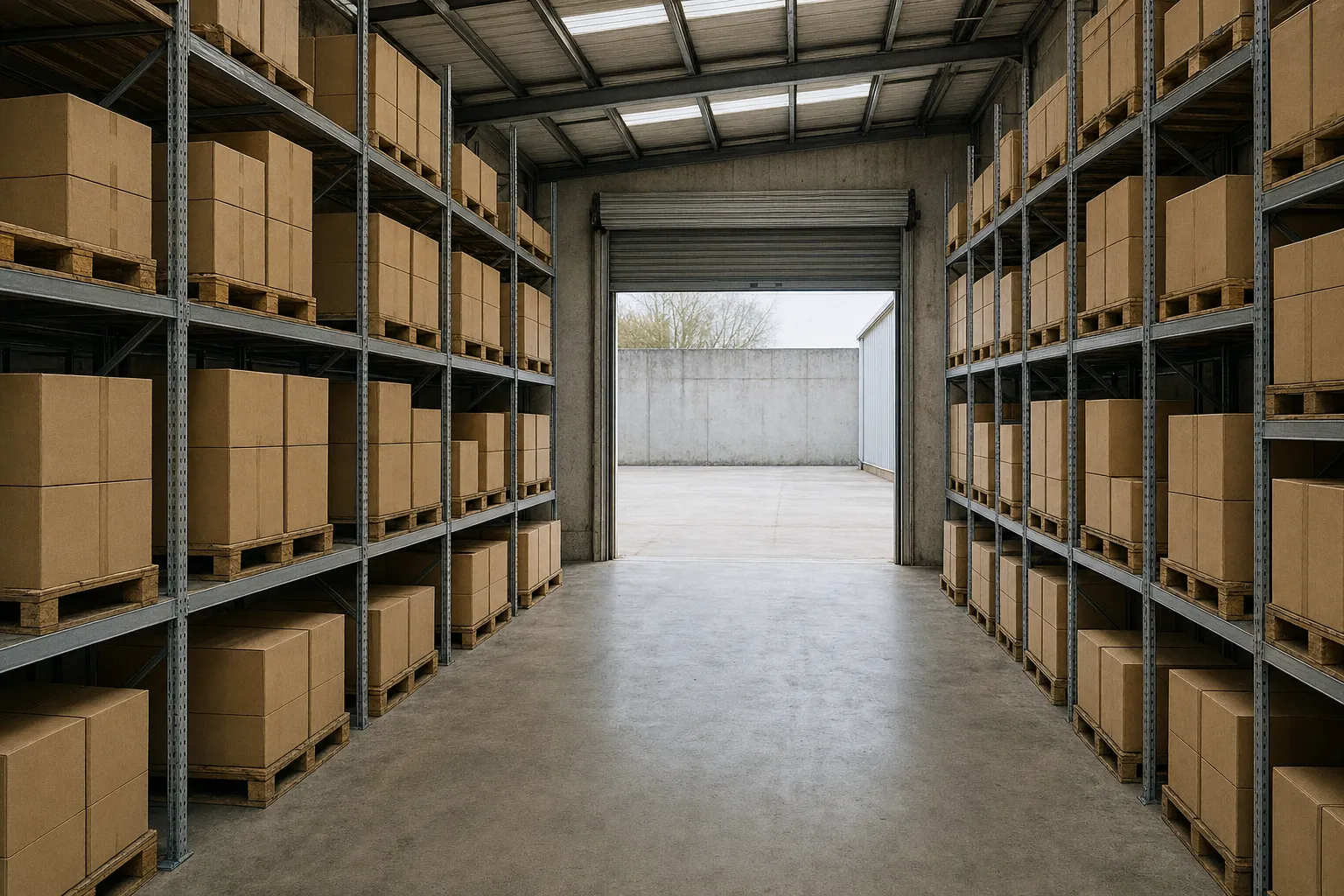
Most published advice about holding stock in Indonesia was written for parcel sellers: per-parcel postage, pick fees per order, a threshold of several hundred orders a month. If you import machines, materials or a distributor's catalogue by the pallet or the container, that arithmetic does not describe your business. Your costs repeat per consignment, and the question is narrower than the generic advice suggests.
It is answerable in advance. The choice between clearing every shipment and delivering it, and putting stock into a warehouse in Indonesia to be sold down over months, comes down to four numbers. Three are on quotes you already have. The fourth is a forecast you are better placed to make than anyone selling you space.
No figure on this page is a quotation: the worked example is hypothetical, and what a facility or customs office does is settled by its licence and your declaration.
The decision is a count, not a preference
Ask two importers whether to keep stock in Indonesia and you get two confident, contradictory answers, both right for the person giving them. One brings a container a month to a single factory customer: it clears, is delivered, is consumed. The other imports four containers a year of a twenty-SKU catalogue and sells into Java: the stock has to sit somewhere between arrival and sale.
Both are answering a question about frequency. Direct shipment means goods cross the border once per consignment — each lot declared, assessed, released and hauled. Storage means they cross once, in whatever quantity moves economically, and are sold from inside the customs territory over as many months as the stock lasts.
Two cost families follow, and most bad versions of this decision compare one against the other:
- Per consignment, repeating. The declaration, the broker's fee, permit handling, inspection exposure, the haulage booking, and the hours spent on each.
- Per unit per month, accruing. Rent, inbound and outbound handling, insurance on goods sitting still, and capital tied up in unsold stock.
Freight is not the variable: a container costs broadly the same whether you clear it and drive it to a customer or clear it and put it on a rack. What changes is how often you pay the first family and how long you pay the second. Whether storage sits inside a door-to-door price is a scope question — what door-to-door delivery actually includes is worth confirming first.
Three buildings, and only one changes the duty point
"Warehouse" covers three arrangements that behave differently, and buyers routinely compare them.
An ordinary warehouse — gudang biasa — is the simplest. Duty and import taxes are paid when the goods enter, the cargo is released to you, and it sits on a rack you rent. Release for home use is a customs event, documented with the Directorate General of Customs and Excise; what happens to the cargo afterwards is not. That is what most importers mean by a warehouse in Indonesia, and it is missing from nearly every online comparison.
A bonded facility — a bonded logistics centre (PLB, Pusat Logistik Berikat) or a bonded warehouse (Gudang Berikat), both in the Tempat Penimbunan Berikat family — moves the assessment point. Duty and import taxes are suspended while goods are inside, and assessed on the quantity released, at the rates and basis in force at that moment. The mechanism and licence distinctions are in how the bonded logistics centre defers duty; here only the consequence matters. Bonded storage changes when you pay, not how much, and adds a declaration to every withdrawal — a per-consignment cost on the way out rather than the way in.
A consolidation point is a different decision. A warehouse used to combine several suppliers' cargo before one booking, or to split a consolidated container into lots on arrival, is about flow rather than duration — goods may pass through in days. It answers "how do these become one shipment", not "how long should I hold stock".
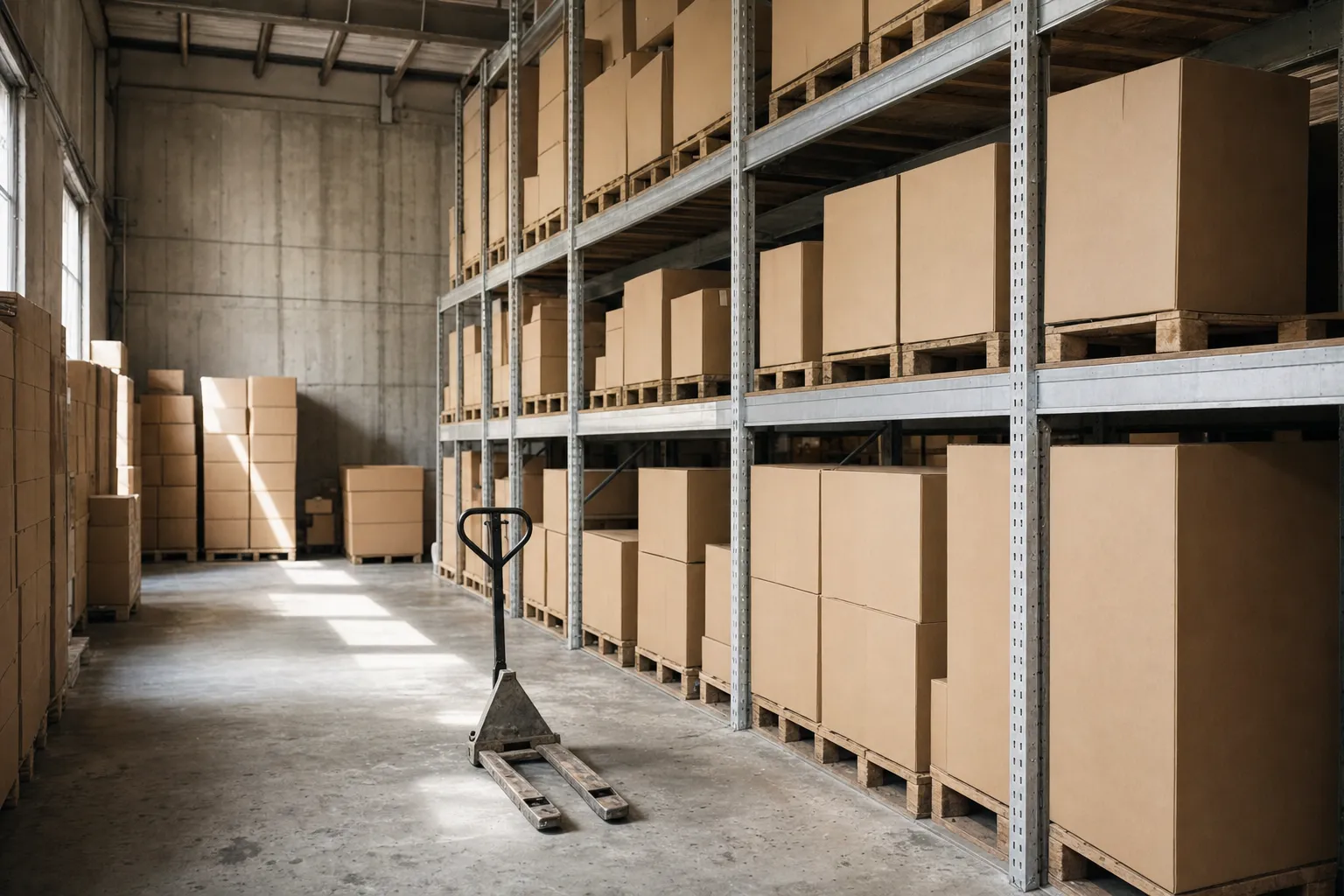
Only the second changes the customs clock; the first and third change who touches the cargo and how often.
Four numbers, and one habit of mind
The habit first: keep the per-consignment cost and the per-unit-month cost apart. Warehouse quotations blur them — inbound handling per pallet, storage per pallet per month, outbound handling per carton — while a broker quotes per declaration. Add all of it into one "warehousing cost" and the comparison is dead, because the two behave in opposite directions as volume grows.
The four numbers:
- Lot size against withdrawal rhythm. Units per consignment (q) against units leaving per month (V). Their ratio is the dwell time you are signing up for, whether or not anyone says so.
- The fixed cost of one clearance event (F). Everything that repeats each time goods cross: declaration preparation, broker fee, restriction handling, inspection exposure, haulage booking, management attention.
- Storage and handling per unit per month (S). Rent plus the handling you cannot avoid, expressed per unit — not per pallet here, per carton there and per cubic metre somewhere else. Convert once, at your own packing density.
- Average months in stock (D̄). Average, not peak. A container that arrives full and empties over six months holds half its units for one month and almost none in the sixth; using the arrival quantity roughly doubles the bill.
If the catalogue has fast and slow lines, S is not one number: a slow line occupies cubic metres for a year, and picking is priced per line rather than per unit. Split the catalogue into velocity bands and run the arithmetic on the band that carries the units.
The arithmetic: storage against repeated clearance
Compare a year. Direct: M clearance events, where M is annual volume divided by the units in one consignment, at M × F. Stored: B inbound clearances plus storage on everything held, at B × F + V × D̄ × S — the ordinary-warehouse case, where duty is settled at entry and a release is not a customs event. On a bonded facility every withdrawal carries its own declaration, so the stored side becomes B × F + W × F + V × D̄ × S, where W is the number of withdrawals a year.
Set them equal:
D̄* = (M − B) × F ÷ (V × S)
Below D̄** the repeated clearance is cheaper; above it, storage is — which is why "how long will this stock take to sell" beats "is warehousing expensive in Indonesia". On a bonded facility the withdrawals come off the numerator, *D̄** = (M − *B − W) × F ÷ (V × S), so the threshold falls — on clearance count alone, to zero once B + W reaches M.
A worked example, entirely hypothetical: 12,000 units a year shipped direct in lots of 1,000, so M = 12; stored, the same volume arrives in three bulk consignments, so B = 3, and the example is an ordinary warehouse, so W = 0. A clearance event is taken at USD 400 (F), storage and handling at USD 0.12 per unit per month (S).
D̄* = (12 − 3) × 400 ÷ (12,000 × 0.12) = 3,600 ÷ 1,440 = 2.5 months.
At an average dwell of two months, storage costs 3 × 400 + 12,000 × 2 × 0.12 = USD 4,080 against USD 4,800 for twelve separate clearances — cheaper by USD 720 a year. Push the same annual volume out to four months' average dwell and each bulk lot has to cover twice as long, so B halves to 1.5: 1.5 × 400 + 12,000 × 4 × 0.12 = USD 6,360, and direct wins by USD 1,560.
One reading matters: M is the lever with the most travel, so cutting consignments often matters more than negotiating rent. Note what the model prices — storage, inbound clearance, and on a bonded facility the withdrawal declaration; outbound handling and monthly minimums sit on top of it.
Cost line | Direct | Ordinary warehouse | Bonded warehouse |
|---|---|---|---|
Duty and import taxes | Paid on every consignment at entry | Paid on every consignment at entry | Suspended; assessed on the quantity withdrawn |
Clearance events per year | M | B | B inbound, plus one per withdrawal |
Storage rent and handling | Delivery only | Per unit per month, in and out | Per unit per month, plus handling per withdrawal |
Permit position | Required before arrival | Required before arrival | Often completed while goods sit, subject to the licence and the product's own rules |
Re-export | Duty already paid, generally not recoverable | Duty already paid, generally not recoverable | Goods can leave without entering the domestic market |
Extra touches | One handling cycle | In, out and put-away | In, out, put-away and each withdrawal move |
Administration | Per consignment | Per consignment and per storage account | Per consignment and per withdrawal declaration |
Duty and import taxes
Direct
Paid on every consignment at entry
Ordinary warehouse
Paid on every consignment at entry
Bonded warehouse
Suspended; assessed on the quantity withdrawn
Clearance events per year
Direct
M
Ordinary warehouse
B
Bonded warehouse
B inbound, plus one per withdrawal
Storage rent and handling
Direct
Delivery only
Ordinary warehouse
Per unit per month, in and out
Bonded warehouse
Per unit per month, plus handling per withdrawal
Permit position
Direct
Required before arrival
Ordinary warehouse
Required before arrival
Bonded warehouse
Often completed while goods sit, subject to the licence and the product's own rules
Re-export
Direct
Duty already paid, generally not recoverable
Ordinary warehouse
Duty already paid, generally not recoverable
Bonded warehouse
Goods can leave without entering the domestic market
Extra touches
Direct
One handling cycle
Ordinary warehouse
In, out and put-away
Bonded warehouse
In, out, put-away and each withdrawal move
Administration
Direct
Per consignment
Ordinary warehouse
Per consignment and per storage account
Bonded warehouse
Per consignment and per withdrawal declaration
The last four rows are the ones buyers skip — and the ones that later turn a decision into a monthly argument. Read the clearance-event row with the arithmetic above it: the stored-side formula prices inbound events, and on a bonded facility it has to price one more declaration for every release.
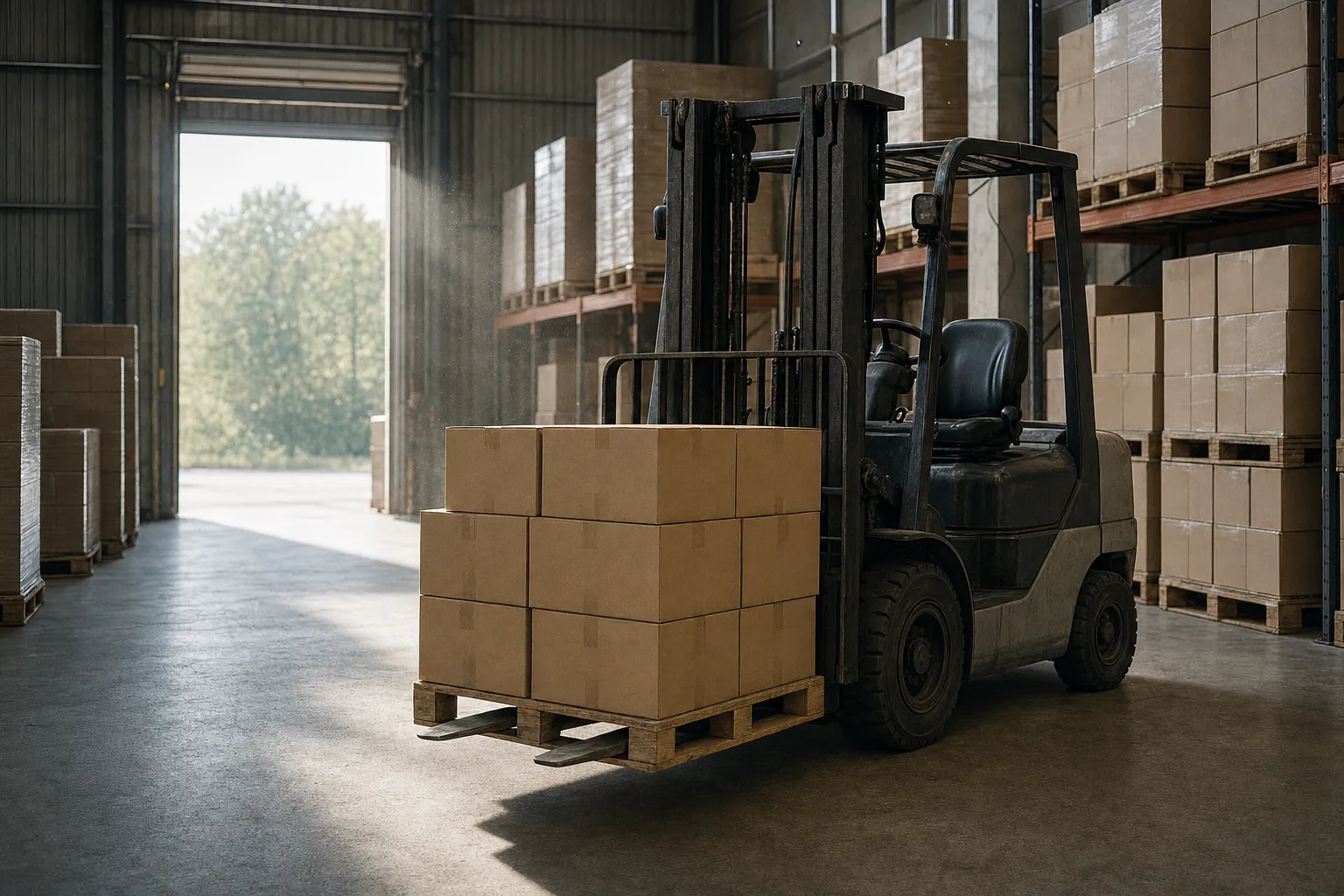
What deferral is worth, and what it is not
Deferral has a price, and it is not the duty rate. Its value is roughly the charges postponed, multiplied by the months they are postponed, multiplied by what money costs you — not a discount on the bill. If half a consignment sells in month four, the gain is the financing cost of that half for four months, plus the option not to have paid for stock that does not sell.
Two qualifications keep that honest. Duty is assessed at withdrawal, and so are the import taxes Indonesian practice groups as PDRI — VAT, luxury-goods tax where it applies, and income tax article 22 — on the value and classification then in force, so both rate and base can move while the goods sit; what makes up the import bill explains those charges. VAT is creditable where the importer is a VAT-registered business (PKP), and income tax article 22 in any case, so the benefit is working capital, not a smaller total.
The cost that never appears on a rate card
The per-consignment fixed cost is the least visible number here and the one that decides it most often, because it is made of items nobody totals: document preparation and the broker's fee per declaration for home use, permit handling repeated for each lot — lartas rules differ by product — inspection exposure with detention charged by the day, haulage booking minimums a small lot cannot dilute, and management time.
An extra clearance is an extra chance to be wrong the same way, since an HS-code question settled once for a bulk import is re-litigated every time goods cross. Two importers paying identical freight per kilogram can carry different landed costs, because one pays the fixed family three times a year and the other twelve.
When direct shipment is the right answer
The negative case deserves equal weight, because the simplest option is often correct and hard to defend without reasons.
One consignment, one destination, consumed within weeks. A single order sold before it lands should not touch a rack. Storage adds two moves, a month of rent and paperwork, and removes nothing.
Project cargo on an installation schedule. Equipment sequenced to a site's readiness, not a sales curve. A warehouse adds a move you do not want and a damage opportunity on the awkward items; optimise the delivery plan instead.
Goods on a clock. An expiry, a certificate window or a seasonal peak sets dwell time by the calendar rather than by you. If stock must move within weeks, the term never gets used.
The buyer takes the whole lot. A distributor reselling from its own yard wants the container, not a release order. Storing goods already sold is paying rent to delay a delivery.
No onward distribution. Raw material consumed at the line, or parts going straight to a service depot, have no intermediate demand. A rack in between is a detour with a monthly invoice.
And storage is not a cure for a weak import position: a bonded facility can hold goods while paperwork is completed, but nothing about a warehouse makes goods importable that are not — restrictions and prohibitions apply to the goods, not the building.
The middle case: consolidate at origin, sort at destination
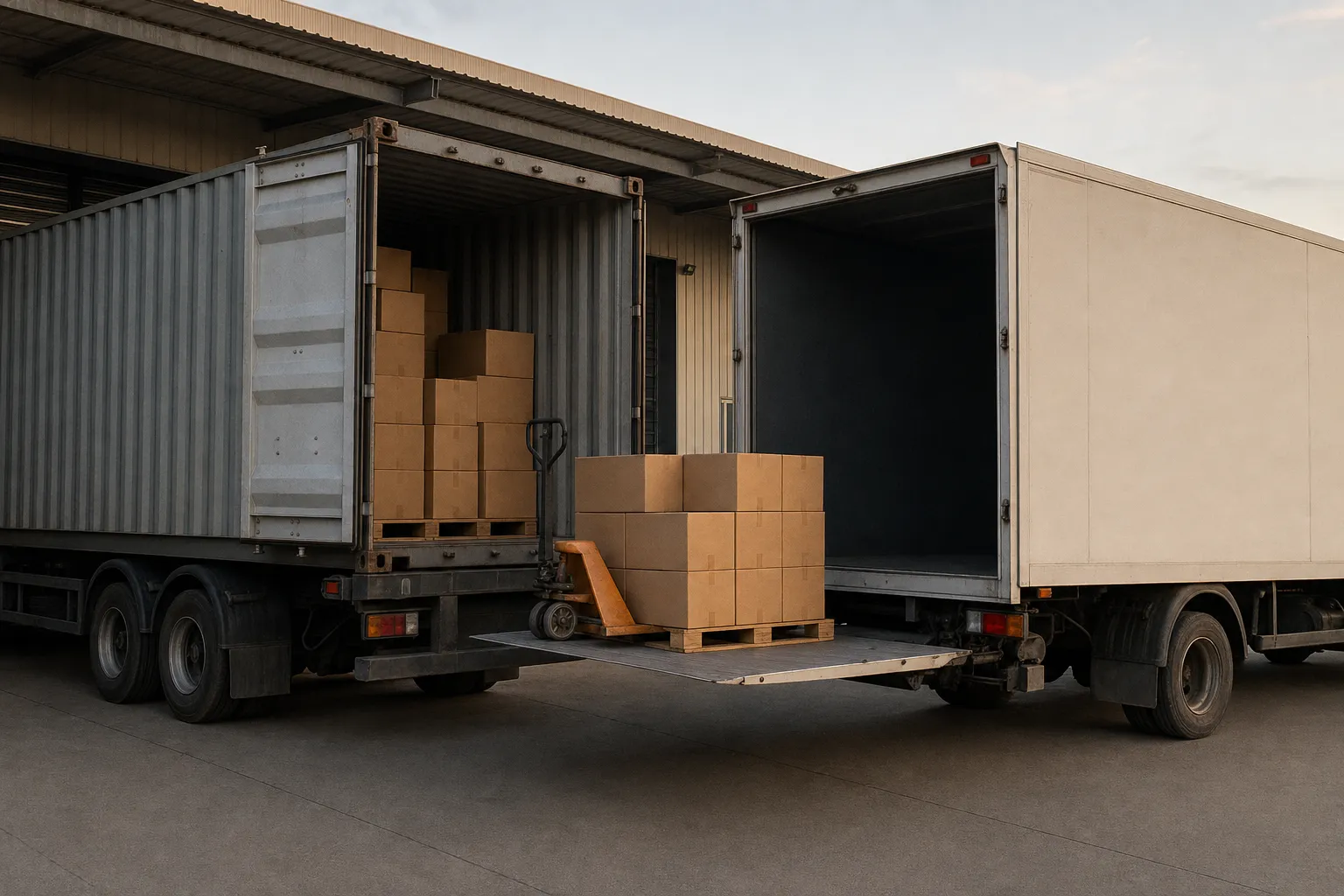
A third answer attacks the formula at its strongest term. Combining several suppliers' cargo into one booking reduces M — fewer, larger clearances — without committing to months of storage. On the China side that is consolidating cargo from several suppliers into one lot; on the Indonesian side the mirror operation is how cargo is sorted after arrival, where a consolidated container is split into the lots different buyers need.
Keep the two apart. Consolidation changes q, the size of a crossing; warehousing changes D̄, the time between arrival and sale. Many importers who think they need a warehouse need fewer crossings.
What quietly eats the benefit
Six things erode a correct decision.
Extra touches and damage. Every move is an opportunity for a crushed corner, a broken pallet, a missing carton. Transit cover and storage cover are not the same policy, and the basis can change once goods stop moving — who is liable while goods sit is worth settling before the first pallet goes up, and how a damage claim is handled tells you what evidence you will need.

Returns and rework. Stock that comes back has to be inspected, repacked and re-entered. A warehouse can absorb that; a direct shipment usually cannot, and the return becomes a second international move.
SKU mix. Storage is priced by space, picking by line. A long tail of slow movers consumes cubic metres and generates pick fees out of proportion to its revenue, so storing the fast band and shipping the rest direct often beats either pure model.
Season. Pre-positioning before a peak is a strong argument for holding stock: you cannot sell what is stuck at a port in a congested week — the kind of delay the World Bank's Logistics Performance Index captures under timeliness. The same peak fills the good facilities, so space is booked months ahead.
Credit terms and currency. Stock financed in one currency and sold in another carries an exposure easy to leave out of the comparison. If buyers pay in sixty days, capital in stored stock is tied up longer than the storage bill suggests.
The facility's own rules. Free time before billing starts, minimum monthly charges, how withdrawals are declared and by whom, what happens at the permitted window's end — contractual, different per facility, decisive.
Run this table before you book
Six signals, read together.
Signal | Points toward storage | Points toward direct |
|---|---|---|
Units per month against consignment size | Several months of sales arrive at once | One lot is consumed within weeks |
Clearance cost per consignment | High, and repeated often | Low, or already consolidated |
Permit or restriction position | Paperwork still in progress | Complete before booking |
Duty and tax cash | Deferral is worth real working capital | The bill is small relative to turnover |
Storage and handling quote | Low per unit per month, at your packing density | High, with minimum monthly charges |
Where the goods go next | Many buyers, many deliveries, over months | One buyer, one site, one delivery |
Units per month against consignment size
Points toward storage
Several months of sales arrive at once
Points toward direct
One lot is consumed within weeks
Clearance cost per consignment
Points toward storage
High, and repeated often
Points toward direct
Low, or already consolidated
Permit or restriction position
Points toward storage
Paperwork still in progress
Points toward direct
Complete before booking
Duty and tax cash
Points toward storage
Deferral is worth real working capital
Points toward direct
The bill is small relative to turnover
Storage and handling quote
Points toward storage
Low per unit per month, at your packing density
Points toward direct
High, with minimum monthly charges
Where the goods go next
Points toward storage
Many buyers, many deliveries, over months
Points toward direct
One buyer, one site, one delivery
Four or more rows on the left, and storage is probably right; the work is choosing the facility. Four or more on the right, and direct is right; the work is making clearance repeatable and cheap. A split down the middle usually means storing the fast band and shipping the rest.
What we ask before we quote
Yanchao coordinates the two ends rather than owning buildings: bonded and ordinary space, clearance, haulage and delivery are arranged through partner facilities and licensed operators, and the terms that apply to your cargo are theirs. The first conversation is a diagnostic. Five questions get most of the way:
- Monthly volume by product family, and how much of it is fast-moving.
- A typical consignment size, and how often you would ship if nothing were stored.
- Where the goods actually go — Greater Jakarta, other islands, or one industrial site.
- The permit and restriction position for each family, and whether any application is open.
- How long you expect stock to sit before it is sold, averaged across the catalogue.
The entity and customs-access side — who the importer of record is, and what it may do — is registered through Indonesia's OSS business-licensing system, run by BKPM, rather than with the warehouse. With those answers the arithmetic runs against real quotes. Our commitment is a first response within two hours on business days, and an initial quotation within 48 hours once a routine enquiry is complete — subject to the usual document, permit and cargo conditions.
Send those five answers through our contact page and the arithmetic gets run against real quotes; the space and clearance we would quote is described on warehousing and bonded logistics.