
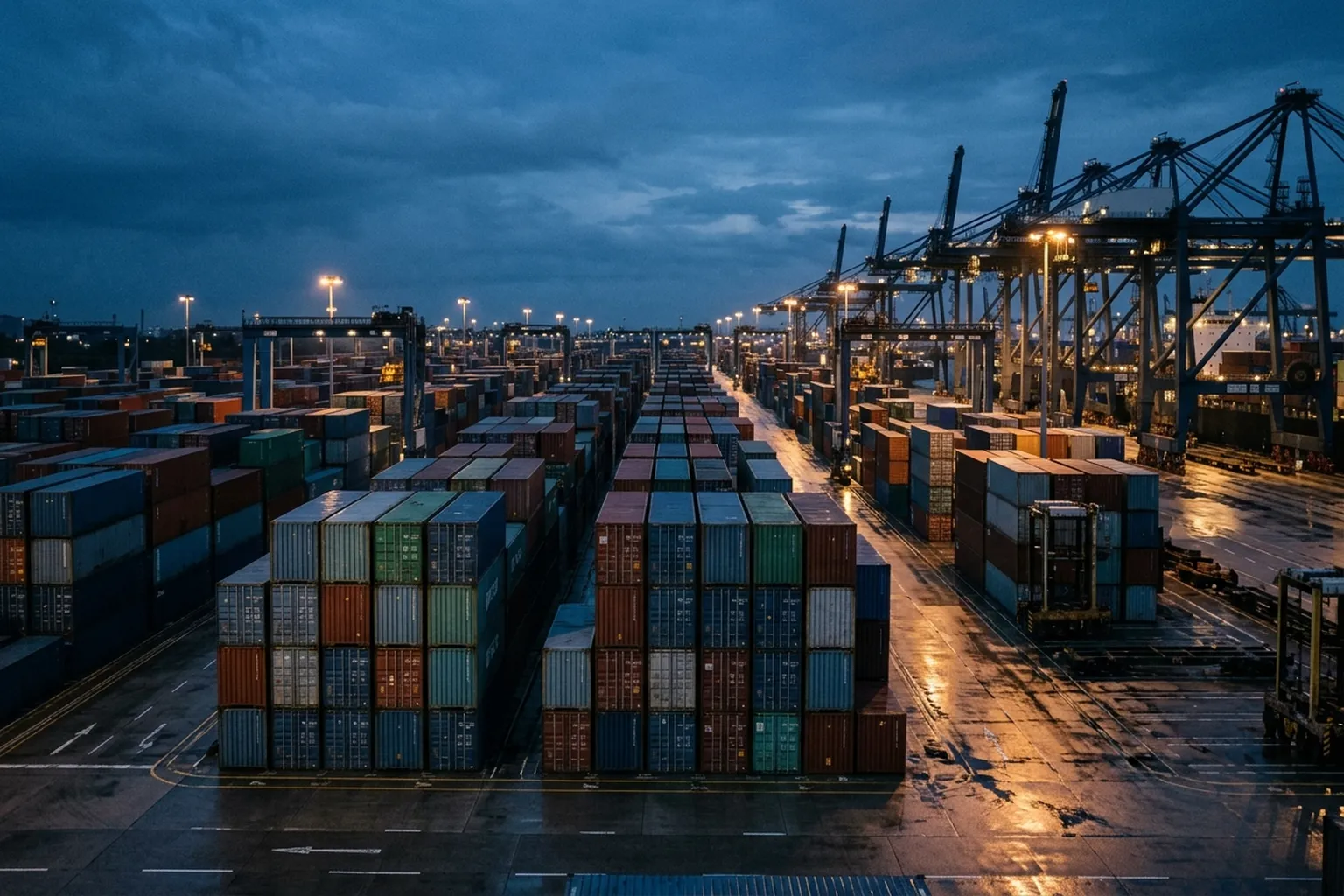
Indonesia import duty — bea masuk, or BM — is the customs levy on goods entering Indonesia, and it is only the first of the charges a shipment can attract. The rest are the taxes collected in the framework of import: value added tax (PPN), income tax article 22 (PPh 22) and, where the goods are listed, sales tax on luxury goods (PPnBM), with excise added where the goods are excisable. These are separate charges on separate bases, applied in a fixed order — and that order, not a single headline number, is what an importer confirms.
This is the ground under every import budgeting conversation about Indonesia, and it is the ground most often skipped. A quote that says "plus duties and taxes" is not describing a charge; it is describing who pays the state's charges. What the charges are is a fixed structure. What they come to is a calculation that cannot be finished until three inputs from a specific shipment are settled.
This page explains what the charges are made of and how the basis behind them is confirmed. It prints no rate and no tax figure of any kind, because duty and tax rates depend on the HS code, the import entity and the date of import — they are confirmed per shipment against the official tariff. No example here is a client case or a quotation, and any timing shown for a shipment is a conditional range, not a commitment to a date.
The charges that can appear on one import
Indonesia does not levy a single "import tax". At the border a consignment can attract several distinct charges, and each one answers a different question. The Directorate General of Customs and Excise — Bea Cukai, also known by its initials DJBC — sorts them into import duty first, then the taxes collected in the framework of import: PPN, PPh 22 and PPnBM.
The names matter, because they are the names that will appear on your documents, and because each one has its own logic.
Charge | What it is | What decides whether and how it applies |
|---|---|---|
BM — Bea Masuk | Import duty. A levy on goods entering Indonesia's customs territory. Anti-dumping duty and safeguard duty are forms of import duty that apply to named goods. | The tariff line the goods are classified in, and the origin treatment claimed for them. |
PPN — Pajak Pertambahan Nilai | Indonesia's value added tax, collected on the import value at the border. A registered taxpayer can generally credit it as input tax rather than carrying it as a cost. | Applies to imported taxable goods; the goods' treatment under the VAT rules decides the detail. |
PPh 22 — Pajak Penghasilan Pasal 22 | Income tax collected at import. It is a prepayment, not a final tax — the Directorate General of Taxes treats it as creditable against the annual income tax return. | The importer's registered status and the category the goods fall into. |
PPnBM — Pajak Penjualan atas Barang Mewah | Sales tax on luxury goods, collected on the same import value as PPN. | Only goods listed as luxury goods; most ordinary goods sit outside it. |
Cukai — excise | A levy on goods that are excisable by law. | Only excisable categories. |
BM — Bea Masuk
What it is
Import duty. A levy on goods entering Indonesia's customs territory. Anti-dumping duty and safeguard duty are forms of import duty that apply to named goods.
What decides whether and how it applies
The tariff line the goods are classified in, and the origin treatment claimed for them.
PPN — Pajak Pertambahan Nilai
What it is
Indonesia's value added tax, collected on the import value at the border. A registered taxpayer can generally credit it as input tax rather than carrying it as a cost.
What decides whether and how it applies
Applies to imported taxable goods; the goods' treatment under the VAT rules decides the detail.
PPh 22 — Pajak Penghasilan Pasal 22
What it is
Income tax collected at import. It is a prepayment, not a final tax — the Directorate General of Taxes treats it as creditable against the annual income tax return.
What decides whether and how it applies
The importer's registered status and the category the goods fall into.
PPnBM — Pajak Penjualan atas Barang Mewah
What it is
Sales tax on luxury goods, collected on the same import value as PPN.
What decides whether and how it applies
Only goods listed as luxury goods; most ordinary goods sit outside it.
Cukai — excise
What it is
A levy on goods that are excisable by law.
What decides whether and how it applies
Only excisable categories.
Two things are easy to miss in that table. The first is that only one of the five is a duty at all. PPN, PPh 22 and PPnBM are taxes, collected by the customs authority on behalf of the tax authority, and excise is a levy in its own right — four of the five are not duties, which is why they behave differently from duty when you come to reclaim or credit them. The second is that PPh 22 is the only one that depends on who is importing; the rest follow from the goods.
BM — Bea Masuk: the import duty
Import duty is the levy on crossing the border: part protection for domestic production, part revenue. It attaches to the customs value, and it is the only one of the five with variants named for trade policy rather than for goods — an anti-dumping duty or a safeguard duty is still import duty, applied to goods that have been named in an instrument. A preferential treatment under a trade agreement works the same way: it changes the level of the duty, not the nature of it, and it depends on the origin of the goods being evidenced rather than asserted.
PPN — Indonesia's import VAT
Pajak Pertambahan Nilai is Indonesia's value added tax, and on an import it is collected at the border on the import value. The practical difference between one importer and another here is not the charge but the treatment of it: a registered taxable entrepreneur — Pengusaha Kena Pajak, or PKP — can generally credit the PPN paid at import as input tax against what it collects downstream, while an importer that is not registered carries the same charge as a permanent cost. The charge does not change. Whether it is recoverable does.
PPh 22 — the income-tax prepayment at import
PPh 22 is income tax, collected at the border instead of being filed later. It is a prepayment and not a final liability, which matters for cash flow rather than for the total: the same money is settled early and credited afterward. It is also the one component whose level turns on the import entity itself — the identifications the importing business holds, the importer identification number (Angka Pengenal Importir, API) and the taxpayer registration number (NPWP), are what put an entry on one path or another.
PPnBM and excise — the charges that only apply to listed goods
Both of the remaining two are conditional. PPnBM is the sales tax on luxury goods, collected on the same import value as PPN, and it applies only to goods that are listed as luxury goods; excise — cukai — applies only to excisable categories. For most ordinary industrial and consumer cargo, neither appears at all, which is why a reader who has only ever imported machinery or components may never have met them.
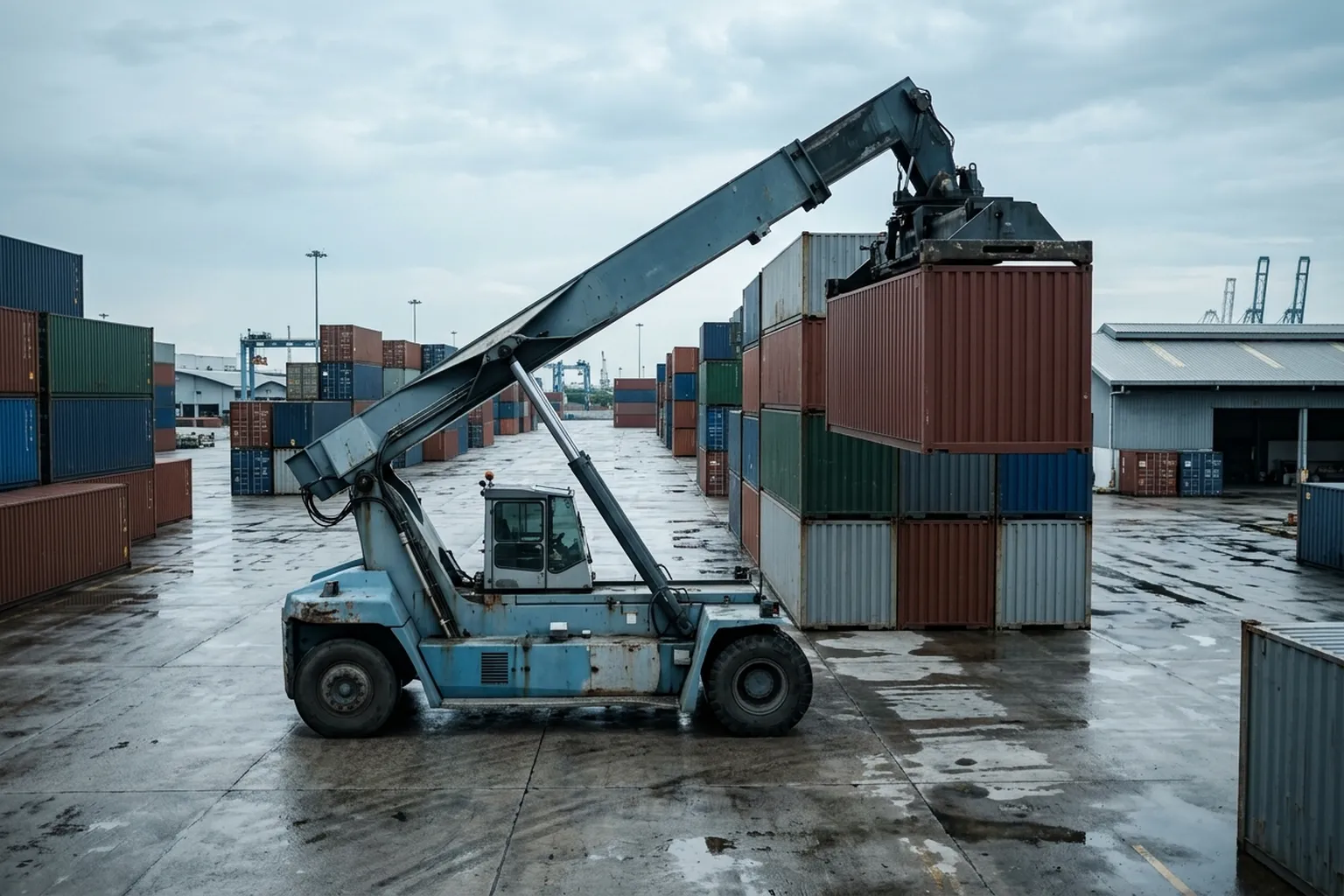
Why Indonesia import duty is a stack, not a sum
This is the part that decides whether a budget survives contact with the invoice.
The charges do not all sit on the same number. Customs duty is calculated on the customs value — nilai pabean, the value customs accepts for the goods. The taxes collected in the framework of import are calculated on the import value — nilai impor, which the Directorate General of Taxes defines as the basis used to calculate import duty plus the customs levies on the import. In the ordinary case, that means the customs value plus the duty.
So the order runs like this:
- Customs value is established.
- Import duty is calculated on the customs value.
- The import value is formed — customs value plus duty, plus any other customs levy that enters the base.
- PPN, PPh 22 and, where it applies, PPnBM are calculated on the import value.
The consequence is a cascade, and it is why a small movement in the early steps is worth more attention than it looks. A change in classification or in accepted value does not only move the duty line — it moves the base of every charge that follows it. Duty is inside the base of the two taxes. Get the first number wrong and the error does not stay put; it compounds.
That cascade is also why this page will not run a worked example with rates in it. Any such example would need a duty rate, a PPN rate and a PPh 22 rate for goods that are not yours, imported by an entity that is not yours, on a date that has passed. It would look precise and be wrong. What transfers between shipments is the sequence, not the numbers.
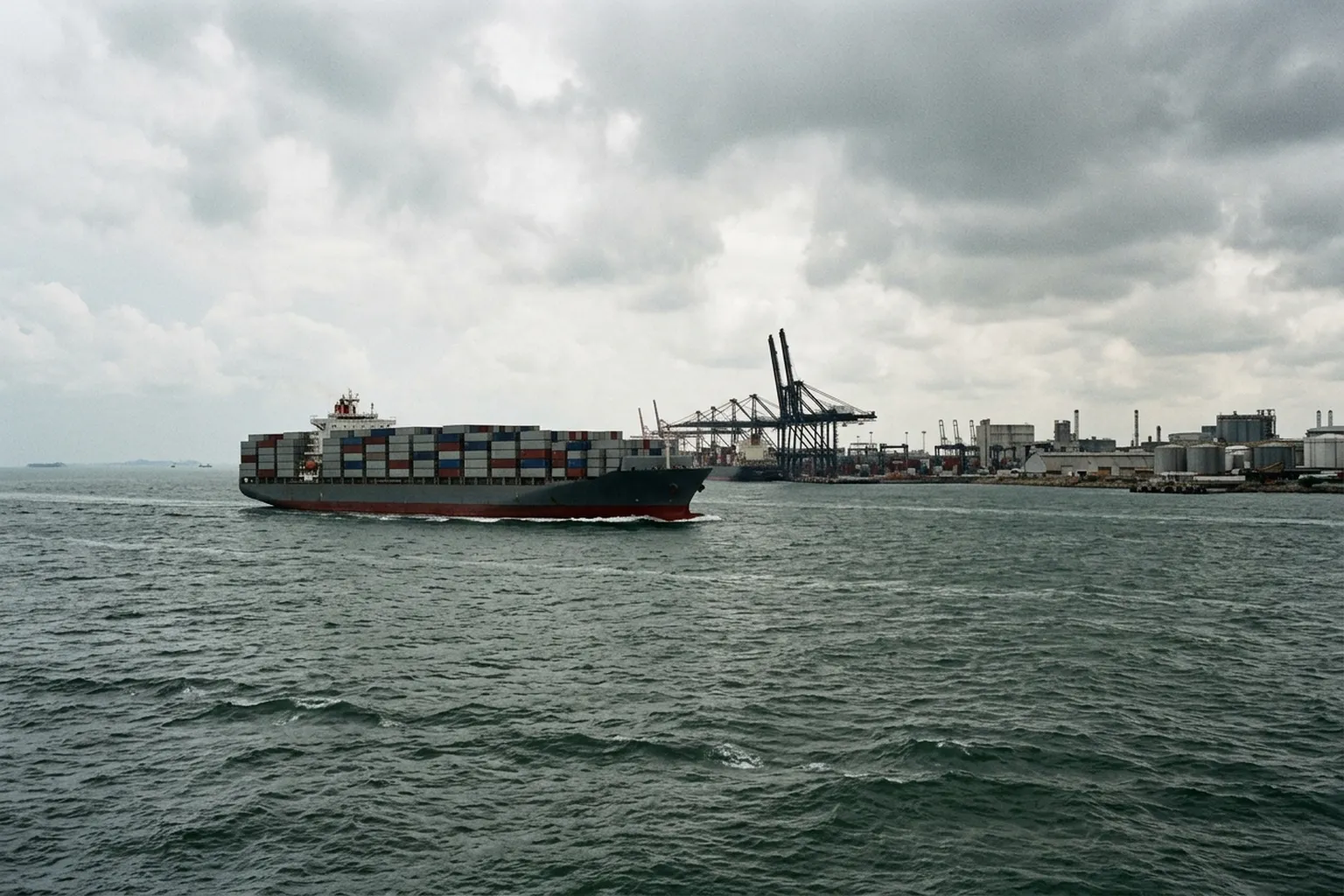
Where the basis is confirmed
If the basis is the thing that matters, it is worth being precise about where it comes from, because two of the four inputs are not the invoice.
Customs value. The starting point is normally the transaction value — the price actually paid or payable for the goods, adjusted to the place of importation on a cost, insurance and freight basis. That principle comes from the WTO Customs Valuation Agreement, and where the transaction value cannot be used the agreement sets out alternative methods that customs applies in sequence rather than choosing freely. How a particular valuation is argued is a subject in its own right; what matters here is that the customs value is determined, not simply copied from the commercial invoice total.
The rate path. For duty, the applicable treatment follows from the tariff line — in Indonesia, the Buku Tarif Kepabeanan Indonesia, or BTKI — together with the origin treatment claimed for the goods. The level that actually applies to a line is Indonesia's applied rate for that line and that origin: for goods from a trading partner with no preference in place, that is the applied most-favoured-nation rate for the line, which can sit below the ceiling Indonesia's WTO commitments permit. The entry to read is therefore the tariff book as it stands for the date of import, not a remembered headline figure. Where a trade agreement gives preferential treatment, that treatment rests on origin evidence and on the rules of origin being met, not on where the goods were loaded; the paperwork behind it is a claim that has to be supported, not a discount that follows automatically from a route.
The import value. Once the duty is fixed, the import value assembles itself from the customs value plus duty, and the taxes are computed on it — the Department's own definition is deliberately worded that way.
The declaration. All of it lands on the PIB, Indonesia's import declaration, which carries the tariff line, the declared value on a CIF basis, the origin, the customs exchange rate used for the declaration — the NDPBM — and each of the levies separately: duty, excise, PPN, PPnBM and PPh. The list of data elements the declaration carries is set by the customs authority, which is why the basis is decided from the entry rather than from the commercial paperwork that fed it.
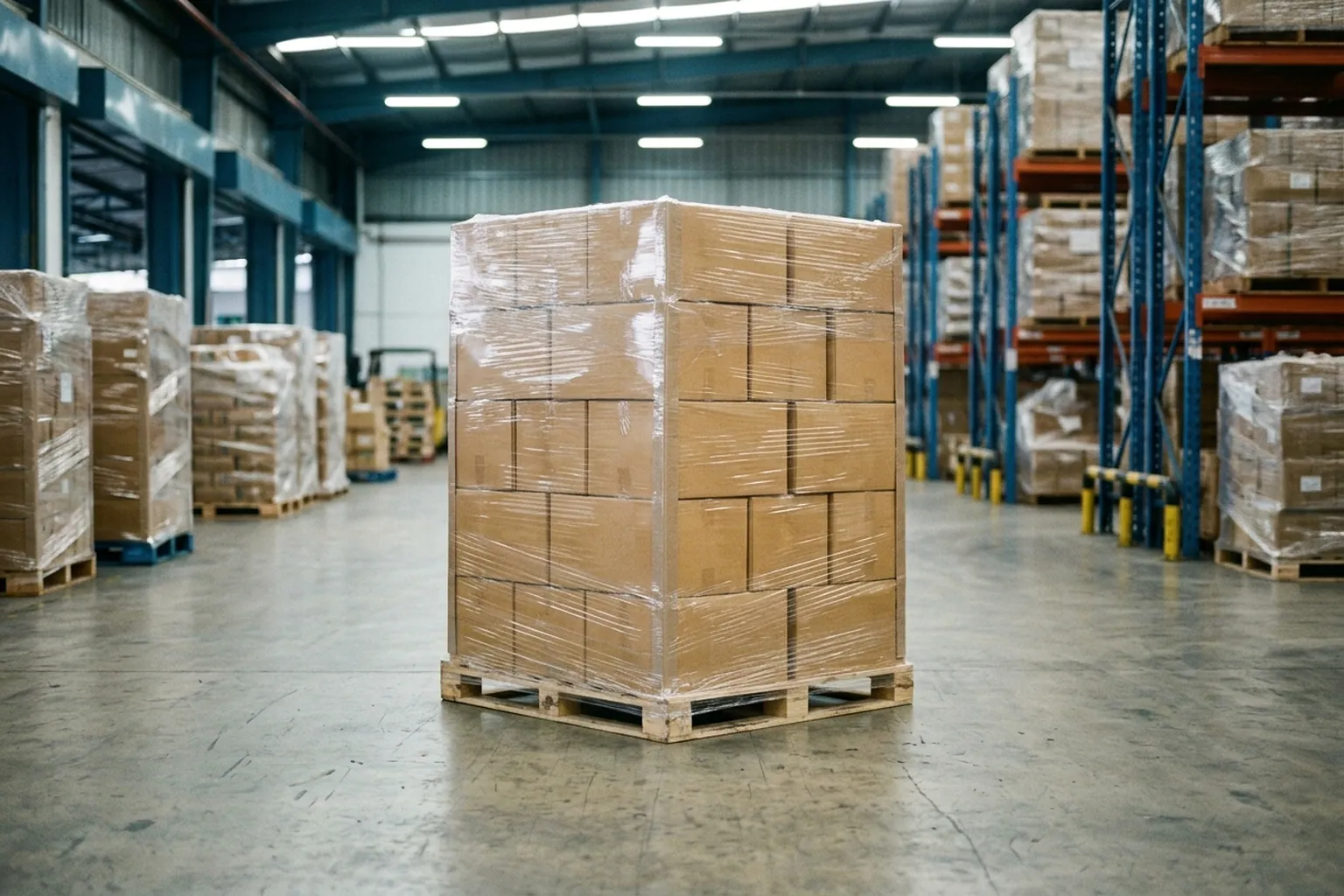
Five things that change the answer without changing the goods
The same carton can attract a different total on two different days. That is not arbitrariness; it is the structure working. Five variables sit between the goods and the bill.
- The tariff line. Everything else follows from the classification. A code at the wrong level, or a description that does not support the code, moves the duty. It is the first thing examined when customs has doubts.
- Origin and preference. A preferential treatment is a claim supported by origin evidence, so the same goods with and without valid documentation are not the same goods as far as the charge stack is concerned.
- The importing entity. PPh 22 has more than one rate path, and which one applies turns on the importer's registered status — the importer identification number and the taxpayer registration the entity holds. This is the one variable that a change of arrangement, rather than a change of goods, can alter.
- The date. Tariff and tax rules change, and they change through different instruments — the tariff book is reissued, while the tax side moves by Ministry of Finance regulation (Peraturan Menteri Keuangan, or PMK). The treatment in force on the date of import is the one that applies, which is why a budget built from a rate copied off an older page has an expiry date the reader never sees.
- Facilities. Bonded zones, capital-goods exemption schemes and temporary import arrangements can defer or relieve charges — each on conditions, each requiring that the goods and the importer actually qualify. They change when and whether a charge is paid; they do not change what the charge is.
Notice what is not on that list: the size of the shipment, or how many containers it takes. Volume is a cost driver for freight, not for the state's charges.
What is not an import charge
Two different kinds of money move in the same shipment, and mixing them up makes both harder to control.
On the state's side | On the commercial side |
|---|---|
Import duty (BM) | International freight and the origin charges behind it |
PPN | Destination terminal handling and port charges |
PPh 22 | Customs broker's fee for preparing the entry |
PPnBM, where goods are listed | Storage, demurrage and detention when cargo waits |
Excise, on excisable goods | Onward delivery to the consignee's address |
Import duty (BM)
On the commercial side
International freight and the origin charges behind it
PPN
On the commercial side
Destination terminal handling and port charges
PPh 22
On the commercial side
Customs broker's fee for preparing the entry
PPnBM, where goods are listed
On the commercial side
Storage, demurrage and detention when cargo waits
Excise, on excisable goods
On the commercial side
Onward delivery to the consignee's address
One subtlety is worth stating, because it is where the two sides touch. Freight and insurance to the Indonesian port sit inside the customs value, so they are inside the basis of the charges as well as being a commercial cost in their own right. That is one reason the decision between sea and air freight — and, on sea, whether cargo runs as FCL or LCL — shows up in more than the freight line: the transport cost structure feeds the base that the duty and the two taxes are calculated on. Volume behaves the same way, which is why how cargo is measured in cubic metres is not only a pricing question.
None of that makes a freight quote wrong. It makes it a different thing from a customs charge, and a budget that keeps them in separate columns can be read, argued with and improved. What actually drives the cost of shipping to Indonesia takes the commercial side apart at the same level of detail as this page takes apart the state's side.
How to confirm what your shipment will actually attract
The structure above is stable; the numbers are not, and nobody — not a forwarder, not a broker, not a calculator page — can give you a figure that is right for your goods before your goods are identified.
Duty and tax rates depend on the HS code, the import entity and the date of import. Confirm them per shipment against the official tariff. That one sentence is the practical takeaway of this page, and it is also why a responsible quotation describes scope rather than totals.
The confirmation itself runs in a fixed order:
Step | What is settled | Who holds it |
|---|---|---|
1 | Goods described precisely enough to classify | Exporter and importer |
2 | Tariff line confirmed, and any permit or restriction checked against it | Importer, with its broker |
3 | Origin evidence assembled where a preference is claimed | Exporter, at origin |
4 | Importing entity and its registration confirmed | Importer |
5 | Which facilities, if any, the shipment qualifies for | Importer and its adviser |
6 | Treatment in force on the date of import confirmed against the official tariff | Importer, with its broker |
1
What is settled
Goods described precisely enough to classify
Who holds it
Exporter and importer
2
What is settled
Tariff line confirmed, and any permit or restriction checked against it
Who holds it
Importer, with its broker
3
What is settled
Origin evidence assembled where a preference is claimed
Who holds it
Exporter, at origin
4
What is settled
Importing entity and its registration confirmed
Who holds it
Importer
5
What is settled
Which facilities, if any, the shipment qualifies for
Who holds it
Importer and its adviser
6
What is settled
Treatment in force on the date of import confirmed against the official tariff
Who holds it
Importer, with its broker
On our side of that list, the work is documentary and coordinative. We prepare and check the goods description, classification support and shipment data against the transport documents, and we coordinate with the importer of record and the licensed customs service provider on the Indonesian side so that the entry and the cargo agree. The declaration itself is lodged by the importer, or by a licensed customs service provider acting on the importer's instructions — the assessment is made by customs, and it is that coordination work we provide, not an approval or a determination we can grant.
Import charge questions we are asked
What does BM stand for?
BM is Bea Masuk — import duty. It is the customs levy on goods entering Indonesia, and it is the charge that everything downstream is calculated after.
Is PPN just VAT?
Yes. Pajak Pertambahan Nilai is Indonesia's value added tax. On an import it is collected at the border on the import value, and a registered taxpayer can generally credit it rather than treating it as a permanent cost.
Is PPh 22 a final tax?
No. PPh 22 is income tax collected at import, and the tax authority describes it as creditable against the annual income tax return. It is real cash at the border, which is why it has to be budgeted, but it is a prepayment rather than a final charge.
Why won't you give me a rate?
Because a rate that is right for someone else's shipment is not right for yours. Import duty follows the tariff line and the origin treatment; PPN and PPh 22 follow the import value and the importer's status; and the rules themselves change by date. A number quoted without those inputs would be a guess wearing a percentage sign.
Do these charges come on top of the freight quote?
They are separate from it. A quote covers the transport and handling services it names; the state's charges are assessed on the shipment and may be included in a delivery term or shown separately, depending on how the term and the quotation are written. What the charges are is not affected by how the quote is drafted.
Who pays them?
The importer of record, whoever that is for the shipment, and how the cost is finally shared is a matter of the terms agreed with the supplier. That is one reason the importing entity should be settled before the cargo sails rather than after it arrives.
What if the assessment comes out different from what I expected?
An assessment is a determination, not a quotation, so a difference is a signal that one of the inputs was read differently — most often the classification, the value customs accepted, or the importer's status. That is the argument for fixing the inputs before the declaration rather than contesting them afterward: a correction after an entry has been assessed is a different and more visible process than getting it right the first time.
Is there a different treatment for very small shipments?
Yes. Indonesia applies a simplified regime to low-value consignments, with its own thresholds and its own treatment. It is a separate calculation path rather than a smaller version of this one, it is governed by its own instruments, and it falls outside what this page covers.
Yanchao Logistics works the China–Indonesia route — the freight, and the documentation and clearance coordination that goes with it. Send us the goods description, the packing details, the shipment terms and the intended importing entity through our contact page and we respond within two hours on working days, with a preliminary quotation normally provided within 48 hours once the documents are complete. Shipments involving restricted goods, complex clearance or project cargo are confirmed after review rather than on the standard turnaround. This article sits in our Indonesia customs and import charges cluster, which takes the entry, the charges and the clearance path apart one piece at a time.