
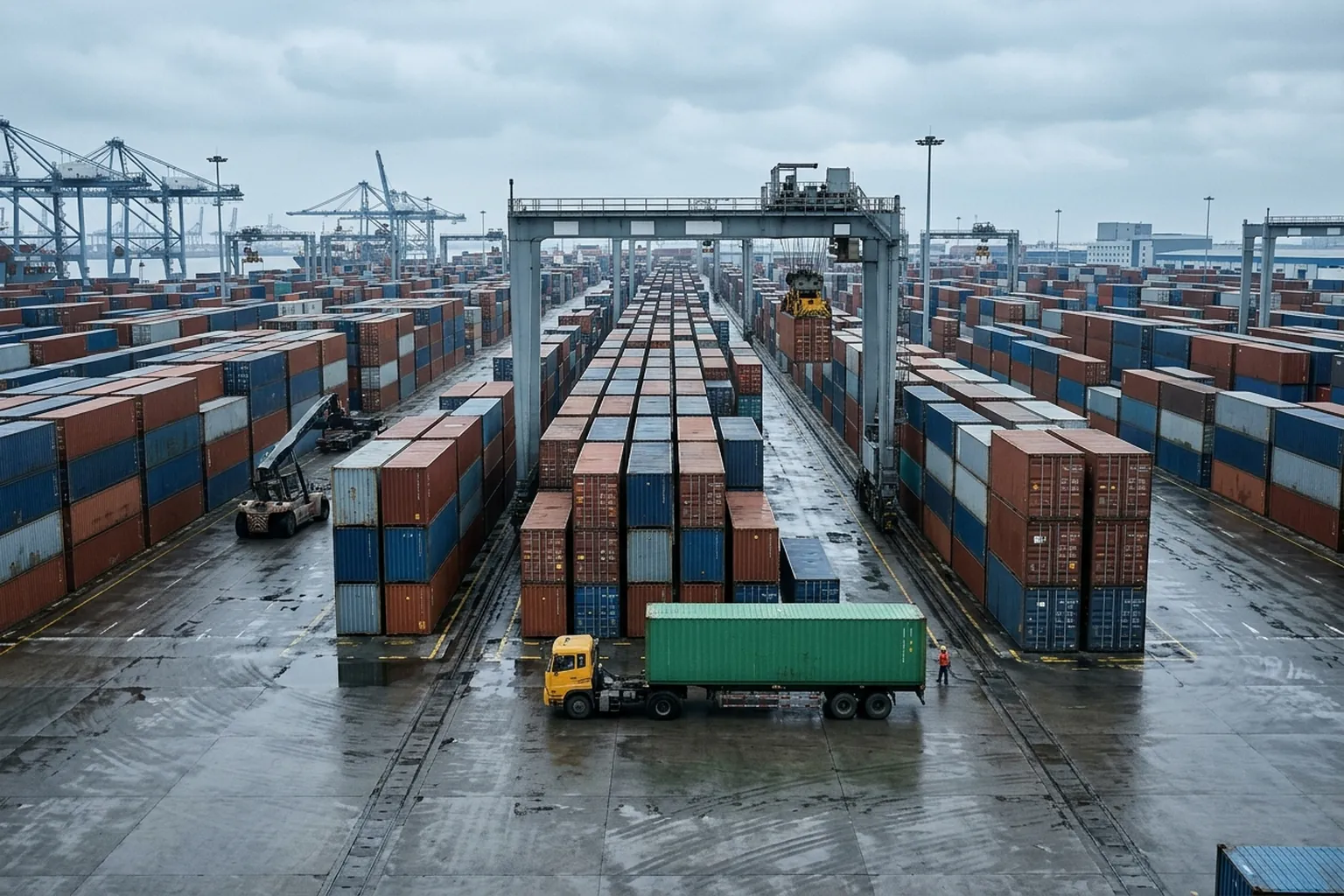
A quote for the cost of shipping to Indonesia is not one number. It is a stack of decisions: how the cargo is measured, which service and lane carry it, which surcharges attach to that carriage, what happens at each port, what the import side requires, and who carries the risk when the schedule moves. Those decisions are the freight cost factors behind every figure on a quotation. This guide walks through them in the order they occur, and marks the ones you can still influence before your goods leave China.
Importers usually first meet this subject as a single landed figure with a validity date next to it. That figure is the end of a chain, and the chain is built from inputs — most of which are known before booking and several of which are still adjustable. Reading a quotation as a chain rather than a price is what makes two apparently similar offers comparable, and what stops a surprise at the destination.
The examples in this article are illustrations. None of them is a customer case, and none of them is a quotation.
What the cost of shipping to Indonesia is actually made of
Two shipments can leave the same city in the same week, arrive at the same Indonesian port, contain cartons of the same size, and still be quoted differently. The reason is rarely a hidden margin. It is that a quotation is assembled from six layers, and each layer has its own trigger, its own owner and its own moment on the route.
Layer | What it covers | Where it happens | What usually triggers it |
|---|---|---|---|
Measurement basis | the quantity the transport is charged on — weight, volume, or the chargeable figure a service uses | before booking, at packing or at the consolidation warehouse | how the goods are packed and how they are measured |
Core carriage | the charge for moving a container or a chargeable quantity from an origin port to a destination port | the main sea or air leg | the booking: service, lane and equipment |
Carriage surcharges | adjustments attached to that leg, such as fuel-related, peak-season, equipment-availability and congestion-related items | the same leg, priced alongside it | carrier policy, market capacity and timing |
Origin and destination handling | terminal handling, documentation, haulage to the port and away from it | both ends of the route | ports, terminals and the local operators at each end |
Compliance and documents | classification, declaration, permits, certification and inspection | mostly at destination, partly at origin | customs authorities and the importing entity |
Risk and time | cargo insurance, free time, storage and delay exposure | anywhere on the route | whoever carries the risk under the contract |
Measurement basis
What it covers
the quantity the transport is charged on — weight, volume, or the chargeable figure a service uses
Where it happens
before booking, at packing or at the consolidation warehouse
What usually triggers it
how the goods are packed and how they are measured
Core carriage
What it covers
the charge for moving a container or a chargeable quantity from an origin port to a destination port
Where it happens
the main sea or air leg
What usually triggers it
the booking: service, lane and equipment
Carriage surcharges
What it covers
adjustments attached to that leg, such as fuel-related, peak-season, equipment-availability and congestion-related items
Where it happens
the same leg, priced alongside it
What usually triggers it
carrier policy, market capacity and timing
Origin and destination handling
What it covers
terminal handling, documentation, haulage to the port and away from it
Where it happens
both ends of the route
What usually triggers it
ports, terminals and the local operators at each end
Compliance and documents
What it covers
classification, declaration, permits, certification and inspection
Where it happens
mostly at destination, partly at origin
What usually triggers it
customs authorities and the importing entity
Risk and time
What it covers
cargo insurance, free time, storage and delay exposure
Where it happens
anywhere on the route
What usually triggers it
whoever carries the risk under the contract
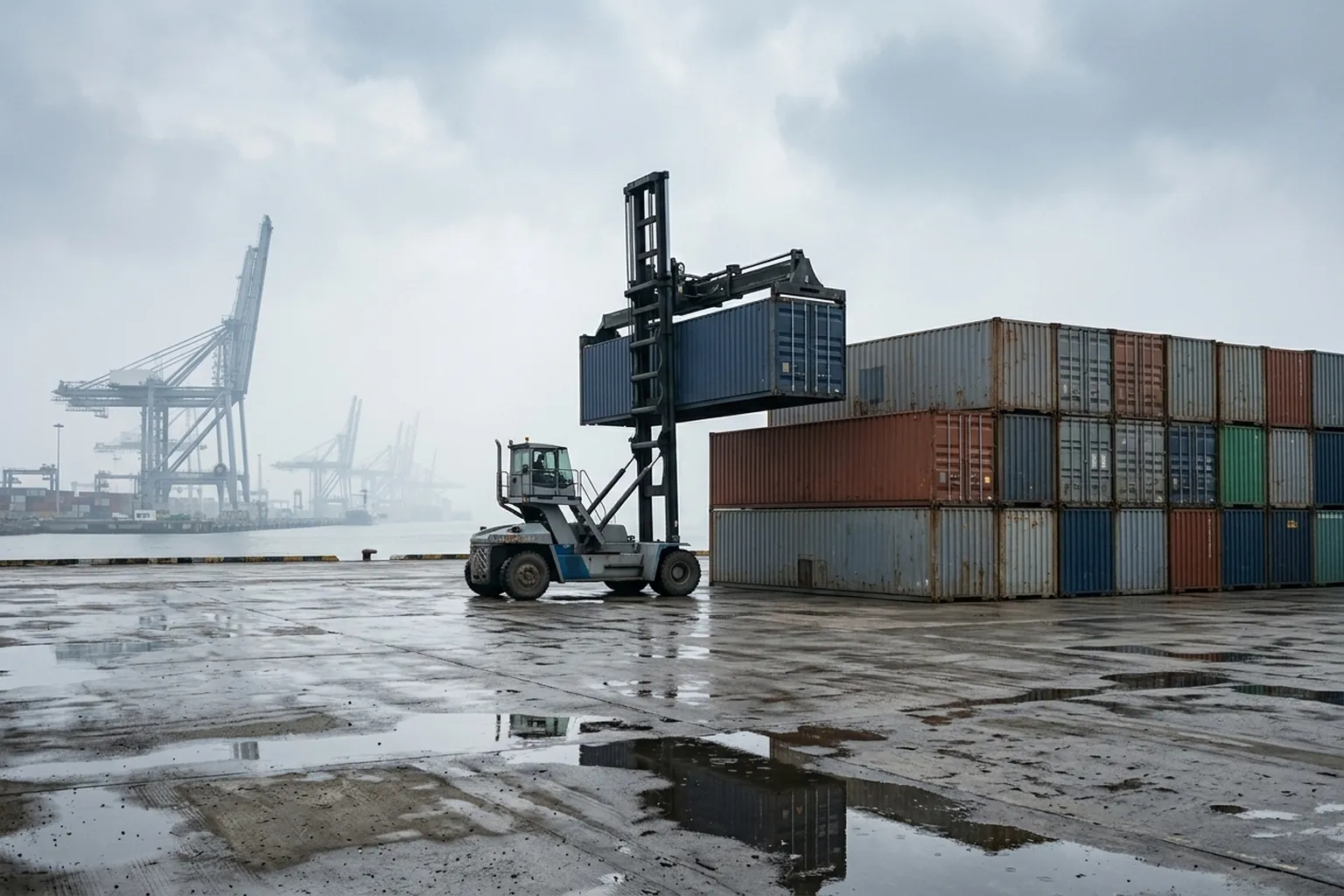
The first layer is first for a reason: it decides what quantity you are buying transport for, and it is where two quotes for the same physical cargo diverge most quietly. A shipment priced per cubic metre, a shipment priced on chargeable weight and a shipment priced per container are three different commercial products, and they are not interchangeable. Our guide to how shipment volume is measured covers how that quantity is derived from the packed goods.
The middle layers travel with the cargo. Core carriage and its surcharges are priced for a leg, and they move with the market, the season and the equipment situation — which is why an ocean quotation carries a validity date and an air quotation is usually confirmed on the day of booking.
The last three layers behave differently. Handling and compliance costs attach to places rather than distances: a port, a terminal, a customs office. They do not shrink because the voyage was short, and several of them appear after arrival rather than before departure. The final layer, risk and time, is not a charge at all until something goes wrong — a delayed vessel, a container held past its free time, a consignment that has to be re-routed. Then it becomes the most expensive layer on the list.
That is the map. What it does not yet tell you is which of these inputs actually move your quote, and by how much of the total each one is capable of moving. That question belongs to the factors themselves.
The freight cost factors you are actually being quoted on
Strip the layers back to the inputs a forwarder works with, and four of them set most of the difference between two offers on the same destination. These are the freight cost factors a quotation is built from. Asking what affects shipping cost is therefore not one question with one variable — it is four questions, and the answers compound.
The mode and the service level
The mode decides the shape of the cost before any rate is applied. Ocean freight in a full container is priced as a container movement with a fixed capacity; ocean freight in a shared container is priced on the volume you occupy within someone else's box, plus the consolidation work around it; air freight is priced on a chargeable quantity and moves on a schedule that is far less forgiving of a missed cut-off.
Service level sits on top of that. A port-to-port service and a door-to-door service covering the same lane answer different questions, and the reference timing attached to each is a planning range rather than a promise. On the lanes we operate most, sea and consolidated cargo are planned against a whole-journey reference of roughly 15–25 days and air against roughly 3–5 days, in each case excluding public holidays and any red-lane clearance window at the destination, and in each case subject to the routing and commodity confirmed for the individual shipment. Corridor performance itself is a structural input rather than a variable you can negotiate: the World Bank's Logistics Performance Index exists precisely because the same cargo moves at very different speed, cost and reliability on different trade corridors.
The lane, the port pair and the routing
A lane is not an abstract line between two countries. It is a specific pair of ports, served by specific vessels with specific schedules. On the China side, cargo commonly leaves through Tianjin, Qingdao, Shanghai, Ningbo, Xiamen, Guangzhou or Shenzhen; on the Indonesian side it arrives through Jakarta (and its Tanjung Priok port area), Surabaya, Semarang, Makassar or Batam, depending on the service.
Three things change when the port pair changes. The ocean leg itself changes with the service that calls there. The inland distance at each end changes, and inland haulage is charged by distance and by vehicle, not by container. And the number of times the cargo is handed over changes — a direct call and a routing through a transshipment hub are two different journeys with two different risk profiles and two different sets of handling charges. Schedules matter too: a service that sails less often costs you in storage and in cash-flow timing even when its ocean charge looks similar. Our service page on what shapes a sea freight quotation follows the same inputs from the forwarder's side.
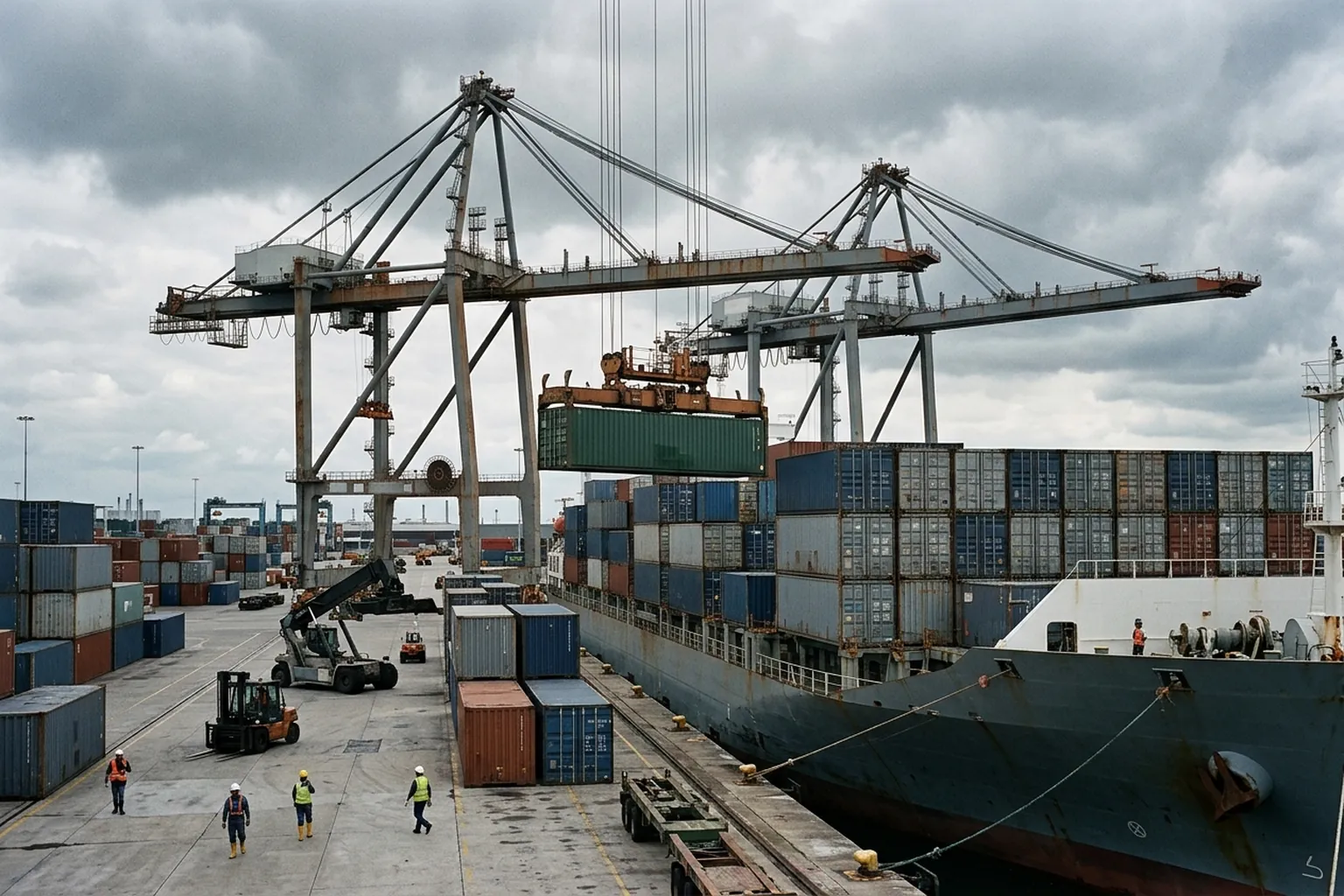
How much of the shipment you are actually paying for
This is the layer importers underestimate most often. Three ways of charging exist on the same route, and which one applies decides what the number is applied to.
Service | The figure the charge is built on | What tends to reduce it | What tends to raise it |
|---|---|---|---|
Ocean, full container | the container and its permitted payload | filling the box in height as well as across the floor, and cargo dense enough to use the payload | bulky cargo that consumes volume without weight, and units that are over-length or over-weight |
Ocean, shared container | the volume the cargo occupies | tighter palletising, removing overhang, combining several suppliers into one shipment | loose cartons, wasted floor space, cargo that cannot be stowed together |
Air | the greater of the actual weight and the volumetric equivalent of the space used | dense, compact packing that leaves no empty volume | light bulky cargo, where the volumetric figure is the larger of the two |
Ocean, full container
The figure the charge is built on
the container and its permitted payload
What tends to reduce it
filling the box in height as well as across the floor, and cargo dense enough to use the payload
What tends to raise it
bulky cargo that consumes volume without weight, and units that are over-length or over-weight
Ocean, shared container
The figure the charge is built on
the volume the cargo occupies
What tends to reduce it
tighter palletising, removing overhang, combining several suppliers into one shipment
What tends to raise it
loose cartons, wasted floor space, cargo that cannot be stowed together
Air
The figure the charge is built on
the greater of the actual weight and the volumetric equivalent of the space used
What tends to reduce it
dense, compact packing that leaves no empty volume
What tends to raise it
light bulky cargo, where the volumetric figure is the larger of the two
Air cargo is charged on the greater of the actual weight and the volumetric equivalent of the space it takes up, which is the basis the International Air Transport Association publishes for air cargo. Full-container cargo is charged per container, but only up to the equipment's permitted payload, and cargo that is over-length or over-weight is normally quoted separately because it cannot be handled like standard freight.
Density is what decides which of those measures bites. A dense cargo — machinery parts, tiles, steel components — runs out of permitted weight while there is still space left in the box. A bulky, light cargo runs out of space while there is plenty of weight allowed. Two shipments of identical weight can therefore carry very different charges if one is a compact pallet stack and the other is the same weight spread across loose cartons with pallet overhang that consumes floor space without adding cargo. Packing decisions made at the supplier's factory are, in practice, pricing decisions.
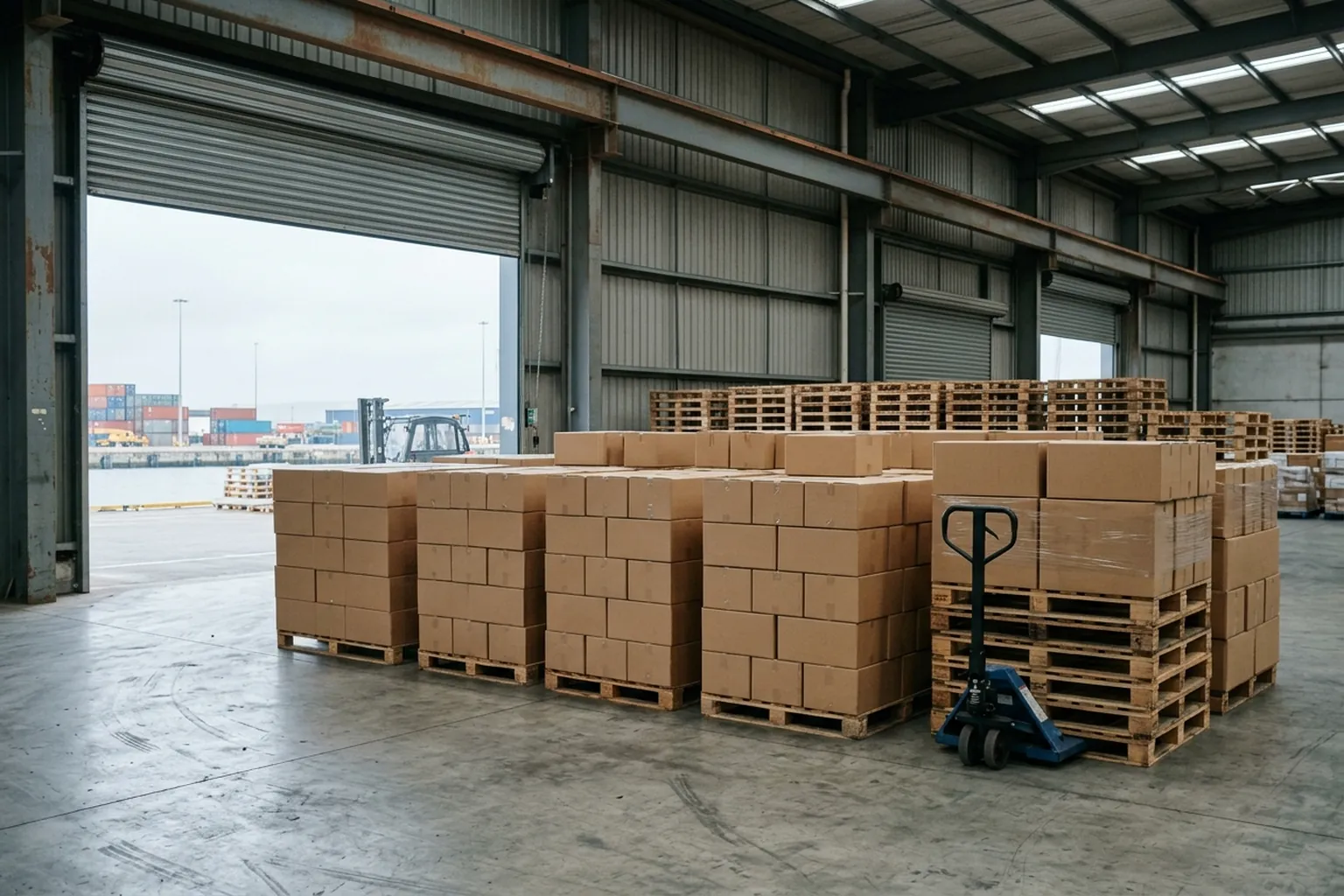
The service scope and who pays which leg
Scope is the factor that explains most of the confusion in comparing quotations, and it is governed by the trade term. A port-to-port arrangement, a door-to-door arrangement, an arrangement where clearance and delivery are included and duties are not, and an arrangement where the import side is handled by the buyer under their own entity — these are four different commercial structures for the same physical movement. The Incoterms rules published by the International Chamber of Commerce define where cost and risk hand over between seller and buyer, and a quotation is only meaningful against the term it was built for.
A standard quotation for the services we run normally covers origin port handling, the main carriage, destination clearance work and final delivery, while duties and taxes and third-party costs arising from an inspection fall outside that standard basis. A tax-inclusive (DDP) quotation is priced on a different basis, so confirm the taxes covered and the exclusions that apply to the quotation in front of you rather than carrying one basis across to the other. Scope statements like that should be read literally, and confirmed line by line for the shipment in front of you, because they are the difference between a comparable offer and an offer that has simply moved a cost to the other end of the journey.
Why two quotes for identical cargo come out different
Once the layers and the factors are clear, the most common importer question has a mechanical answer. Two quotations differ because at least one of five things is not the same.
The scope is different. One quotation delivers to a receiving address; the other stops at the port. One treats clearance and delivery as included; the other leaves them to the buyer. Neither is wrong, but they are not comparable until both are restated against the same trade term.
The measurement basis is different. Cargo can be quoted on the volume declared by the supplier, or on the volume as measured when it is received and consolidated. Pallets that are re-stacked, cartons that are re-palletised and overhang that is removed all change the figure the charge is applied to. This is the single most frequent source of an apparently unexplainable difference, and it is visible if you ask which measurement the quotation uses.
The validity window is different. Ocean rates are typically firm within the week's pricing cycle, while air freight is confirmed at the moment of booking. A quotation issued earlier in the week and one issued after a market movement are both honest and still far apart.
The market has moved. Capacity, fuel-related adjustments and peak-season pressure are set by the market and by the calendar, not by the forwarder. The periods around Chinese New Year and around the Ramadan and Lebaran travel season change both space availability and price on Indonesia-bound lanes.
The consolidation boundary is different. Cargo that fills a container is quoted one way; the same cargo as part of a shared shipment is quoted another, and the point at which consolidation stops paying is a volume decision rather than a price decision.
As an illustration — not a client case and not a quotation — consider fourteen pallets of household goods quoted twice in the same week. The first quotation assumes the pallets stay intact and the delivery address is inside Jakarta. The second was built on the assumption that the cartons are loose, measured at a higher volume, and that delivery runs to an address where a container vehicle cannot enter, so a smaller vehicle and a transfer are required. Nothing about the cargo changed. The measurement basis, the delivery scope and the vehicle plan did — and those three inputs are the difference between the two figures.
Where the scope itself is the variable, our page on what the door-to-door LCL scope includes sets out how a shared-container quotation is assembled and what changes when delivery and clearance are inside or outside it.

What the destination end and the import side add
The destination is where a quotation stops being arithmetic and starts being a schedule. Once a container is discharged, three separate things begin at the same time: terminal handling, the clock on free time, and the customs process.
The customs process is not uniform, and honest planning has to say so. On the Indonesia-bound lanes we handle, a declaration that clears on the routine track is typically followed by delivery arrangements within about three working days, while where a red-channel inspection applies, plan a window of roughly five to seven working days of holding. Those are planning references for the lanes we operate, not a commitment for a particular consignment, and they exclude public holidays.
What the import side requires is a separate question from what the transport costs, and it is the part that a forwarder can only structure and coordinate. The inputs that matter are the importing entity and its registration position, whether the goods fall under Indonesia's restricted or prohibited categories, whether the product category requires certification or a permit before release, and how the goods are classified and valued — because classification and valuation are what the import assessment is based on, a point the World Customs Organization sets out for the harmonised system that most classification work follows. The authority administering the assessment at the Indonesian end is the Directorate General of Customs and Excise. The importing entity and the declaration basis are confirmed per shipment, and the Indonesia-end clearance work is something we assist with and coordinate rather than something we can state as a standing assumption for every consignment.
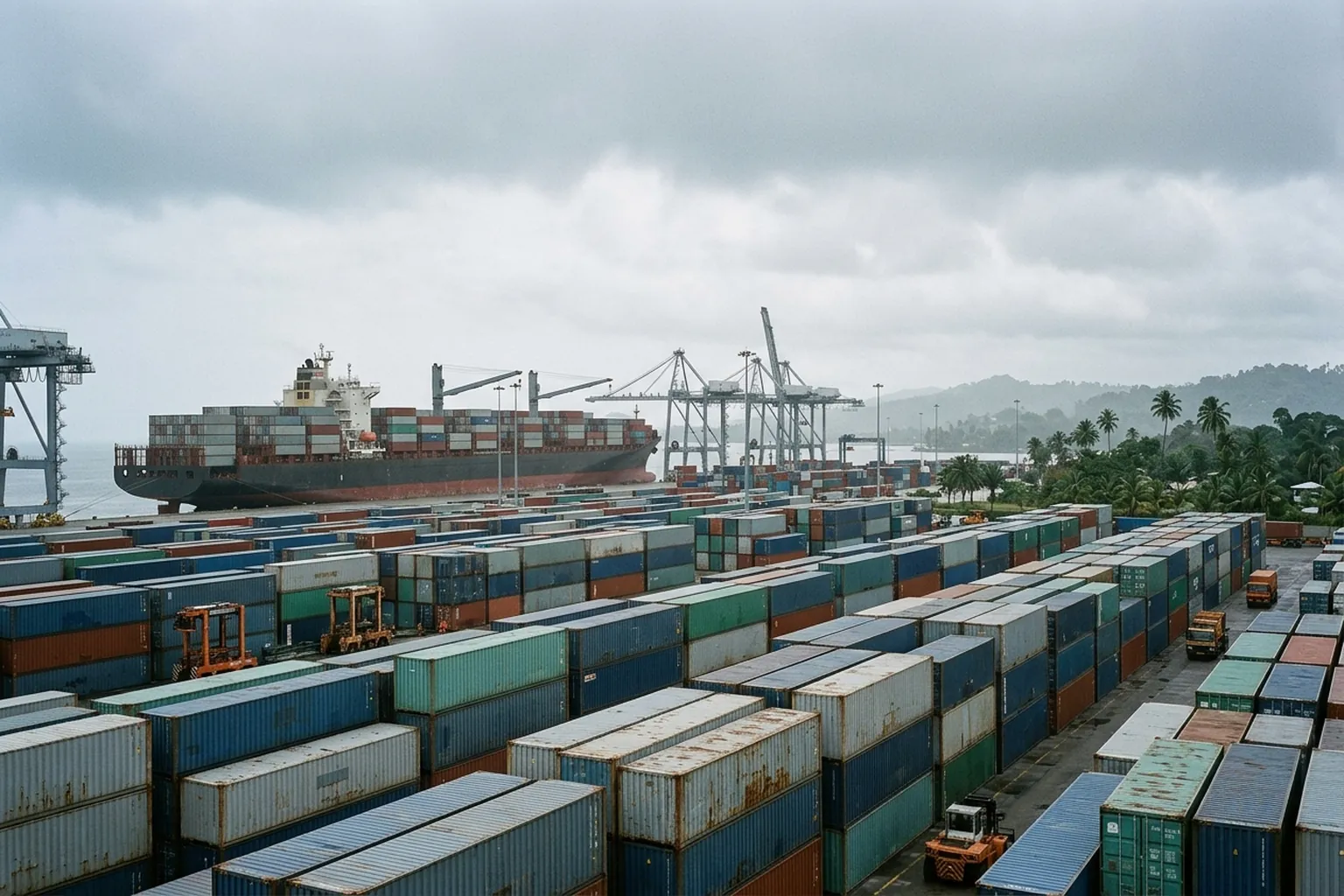
Delivery is the last cost input at this end, and it behaves unlike the others. Jakarta city delivery is included in the shared-container and air services we run; delivery beyond that is arranged by courier or by vehicle and settled for the shipment concerned, because distance is only part of it. A receiving address that a container vehicle cannot reach, a site without loading equipment, a building with restricted delivery hours and a project site that requires an appointment all change the plan and therefore the cost — and every one of them is easier to price before sailing than after arrival. This is also why local, Indonesian-speaking operations matter at this end: the difference between a delivery that is booked correctly the first time and one that is re-scheduled twice is a language and coordination problem before it is a cost problem. Our page on clearance work at the Indonesia end covers what that coordination involves.
Which cost drivers you can still influence
Not every input is negotiable, and the useful exercise is separating the ones you own from the ones you inherit.
Inputs you can change before booking. The packed volume of the shipment is the largest of them: palletising loose cartons, removing overhang, using the container's height instead of its floor, and consolidating several suppliers into one shipment all change the quantity that gets charged. The scope is the second: choosing a port-to-port structure instead of door-to-door, or moving clearance and delivery into or out of the quotation, changes the composition rather than the total. The delivery plan is the third, and it is decided by information you already have — where the goods are going and whether a large vehicle can get there. Documentation accuracy is the fourth: an invoice, packing list and measurement that agree with each other reduce the chance of a query at the destination, and a query costs time before it costs money.

Inputs you inherit. Market capacity, fuel-related adjustments, peak-season pressure and the exchange rate between order and settlement are not things a shipper sets, and the same is true of a statutory inspection. These are better handled by planning around them — booking outside the peak windows, or building a margin into the schedule — than by negotiating them. Insurance sits in this group for a different reason: it does not change the transport charge at all, it addresses the risk that the charge stops mattering because the goods are damaged or lost on the way. Whether to insure, and on what basis, is a decision taken per shipment before it sails.
Inputs that depend on the goods themselves. Some cargo carries handling requirements that show up in the cost structure, and some cannot be carried on a standard service at all. Products containing batteries, liquids, powders or gases are screened before booking, chemicals normally require safety documentation and a transport appraisal, and categories such as tobacco, alcohol and flammable or explosive goods are outside what we carry — confirm special-cargo acceptance before booking. The International Maritime Organization's rules for the transport of dangerous goods are the reference framework for how such cargo is classified and handled. The practical point for an importer is that this is a pre-booking conversation, not an arrival problem.
Mode choice deserves a mention here because it is the biggest single lever most importers hold. The comparison is rarely "which is cheaper" in isolation; it is which combination of timing, chargeable quantity and predictability is worth paying for on this particular shipment, and the trade-offs are set out in our guide to choosing between sea and air freight.
How to read a quote line by line
A quotation can be read in ten minutes if you know which lines to interrogate. The table below is the version worth keeping next to the document.
What to confirm | Why it changes what you pay |
|---|---|
Service scope | a port-to-port figure and a door-to-door figure describe different journeys and cannot be compared as they stand |
Chargeable basis | whether the figure is applied to cubic metres, actual weight or a chargeable weight changes the quantity you are buying |
What is included | origin handling, main carriage, destination handling, clearance work and delivery are the usual components, and each can be inside or outside |
What is excluded | ask which items sit outside the quotation — duties and taxes, third-party costs arising from an inspection, storage and delivery beyond the included area should each be confirmed for your shipment rather than assumed to follow one rule |
Surcharge triggers | fuel-related, peak-season, equipment and congestion-related adjustments should be named, with the trigger that activates each one |
Free time and storage | how long the cargo may remain before storage-type charges begin, and how that is counted |
Validity | an ocean quotation is normally firm within the week's pricing cycle; air is confirmed at booking |
Documents | who prepares the packing list, the commercial invoice, the bill of lading instructions and the import-side papers |
Service scope
Why it changes what you pay
a port-to-port figure and a door-to-door figure describe different journeys and cannot be compared as they stand
Chargeable basis
Why it changes what you pay
whether the figure is applied to cubic metres, actual weight or a chargeable weight changes the quantity you are buying
What is included
Why it changes what you pay
origin handling, main carriage, destination handling, clearance work and delivery are the usual components, and each can be inside or outside
What is excluded
Why it changes what you pay
ask which items sit outside the quotation — duties and taxes, third-party costs arising from an inspection, storage and delivery beyond the included area should each be confirmed for your shipment rather than assumed to follow one rule
Surcharge triggers
Why it changes what you pay
fuel-related, peak-season, equipment and congestion-related adjustments should be named, with the trigger that activates each one
Free time and storage
Why it changes what you pay
how long the cargo may remain before storage-type charges begin, and how that is counted
Validity
Why it changes what you pay
an ocean quotation is normally firm within the week's pricing cycle; air is confirmed at booking
Documents
Why it changes what you pay
who prepares the packing list, the commercial invoice, the bill of lading instructions and the import-side papers
Two of those lines deserve emphasis. Free time is the quiet one: detention and demurrage charges arise from time, not from distance, and the rules and billing practices around them have attracted direct regulatory attention, which is why the US Federal Maritime Commission maintains a dedicated programme on the subject. Whatever the jurisdiction, the importer's protection is the same — know when the clock starts and who is responsible for collecting the cargo.
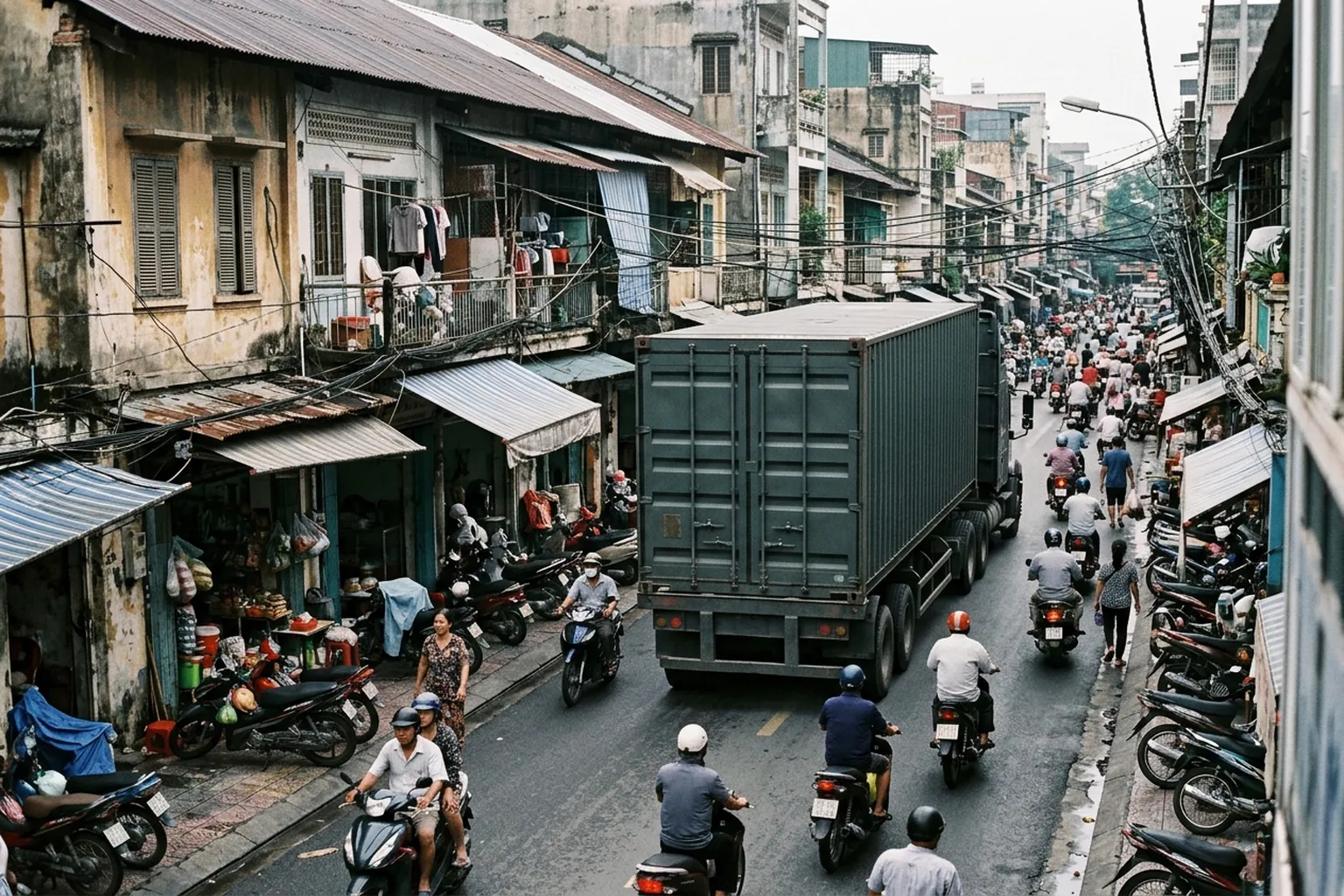
Documents are the other quiet line. A declaration built on documents that disagree with each other — a packing list that does not match the invoice, a description that does not match the goods, a value that cannot be supported — moves a shipment out of the routine track and into a query. The route comparison work is also worth a second look: when several modes or scopes are on the table, the comparison of shipping options by mode puts sea, air and shared-container structures side by side on the same inputs.
Questions importers ask about freight cost factors
What is a freight quote actually made of?
It is made of the quantity being charged for, the carriage of that quantity on a named lane and service, the surcharges attached to that carriage, the handling at each end, the compliance and document work, and the risk and time exposure the scope assigns to someone. A quotation that names only a total has simply not shown you its construction.
Why is the same shipment quoted differently twice?
Usually because one of five inputs moved: the scope, the measurement basis, the validity window, the market, or the consolidation boundary. Asking which measurement and which scope were used resolves most apparent discrepancies before any negotiation starts.
Do the documents change what I pay?
They can. Classification and the declared value are the basis of the import-side assessment, and the release arrangement on the bill of lading affects when the cargo can be collected — which in turn affects how long it sits at the terminal and whether time-related charges begin. Consistent documents are cheaper than corrected ones.
Is a bigger shipment cheaper per unit?
Per unit of volume, often yes, because a container has a fixed capacity and the work around it does not scale evenly with the cargo inside it. But the saving is a consequence of how the shipment is consolidated and how well it fills the space, not a discount that applies automatically, and a shipment that is bulky rather than dense can reach the same chargeable quantity well before it fills the container.
Where do sea and air differ most?
In what you are charged for and in how much schedule risk you take. Air is charged on a chargeable weight and moves on a tight schedule; sea and consolidated cargo are charged on volume or by the container and trade speed for lower cost per unit. A shipment that is small, dense and time-critical behaves very differently from the same weight of bulky goods that can wait.
Can the type of bill of lading change my cost?
Not the transport charge itself — the document does not reprice the carriage. What the release arrangement changes is when and to whom the cargo can be handed over. A release that can only be arranged after the cargo arrives, or that has to be corrected once it does, keeps the container sitting at the terminal longer than it needed to, and time at the terminal is what starts storage-type charges. So the useful question is not which document is cheapest; it is which release arrangement matches how your goods will actually be collected, and that is worth settling before sailing rather than at arrival.
How much of a landed cost is freight, and can that part be reduced?
It depends on the cargo rather than on the route. Freight is a larger share of a landed cost for bulky, low-value goods that consume space without carrying much worth, and a smaller share for compact, high-value goods — which is why two shipments of identical weight can look nothing alike on this measure. The part of it you can influence is the chargeable quantity and the scope; the part you cannot is the market and the schedule. That split, rather than a proportion, is the number worth remembering.
More of this cluster, including volume measurement, container types and mode comparison, is indexed under the blog's freight and shipping cost guides.
What to do before you request a quote
The quality of a quotation is decided by the brief behind it. Before asking for one, it is worth having these inputs in one place: the origin city and the pickup or delivery address at each end, the goods and their packaging, the number of packages, the gross weight and the volume in cubic metres, the value declared for customs, the packing list and commercial invoice, whether the goods are new, and whether they contain batteries, liquids, powders, gases, charcoal or untreated wooden packaging. Chemicals and regulated categories need their documentation reviewed before anything is booked.
Having those inputs ready is also the fastest route to a comparable figure, because it removes the ambiguity that produces two different quotations from the same cargo. The last input worth settling early is where the goods will be stored and consolidated before sailing; our page on storage and consolidation before shipping explains how the origin warehouse and the delivery arrangements at the destination fit into the same cost structure.
Send the shipment details through the site and we respond within two hours on working days, with a preliminary quotation normally provided within 48 hours once the documents are complete. Shipments that involve special goods, complex clearance or project cargo are confirmed after review rather than on the standard turnaround.