
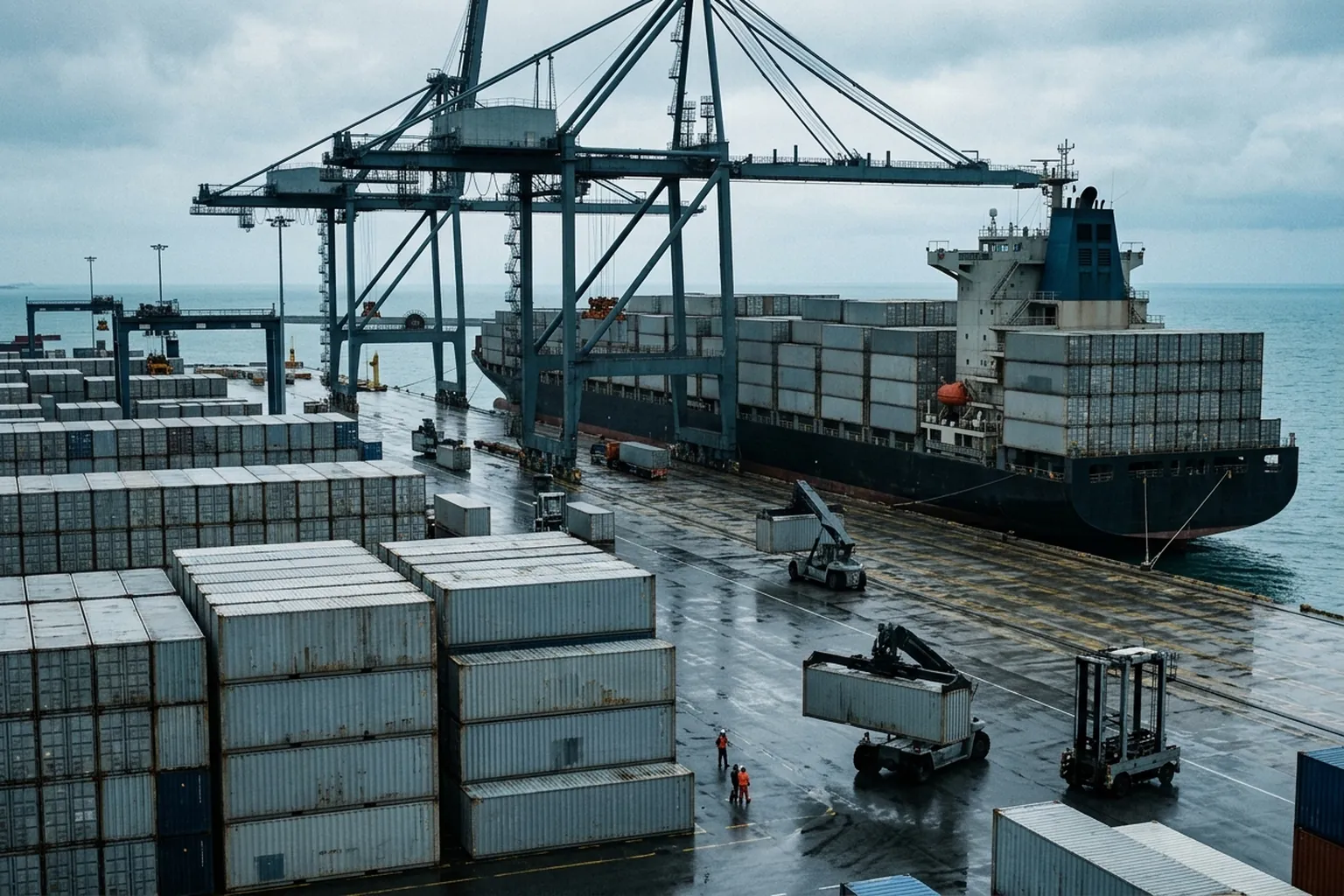
A freight surcharge is a charge added on top of the base freight rate to cover a cost the carrier cannot fix at the moment the rate is agreed. Two families exist. One follows a published index — fuel above all. The other follows an event: a peak in demand, congestion at a terminal, the way the cargo has to be handled. The base rate covers carrying the goods along the lane. The surcharges cover the conditions under which that lane is being operated and the cargo is being moved.
That distinction explains most of what surprises shippers. A quotation is rarely wrong when the final invoice is higher. The rate was agreed; the conditions were not.
The descriptions below are structural. No figure in this article is a customer case, and none of it is a quotation.
What a freight surcharge is — and what it is not
A base freight rate is struck for a lane, a mode and a period. Carriers publish it, forwarders buy against it, and it is normally valid for a defined window rather than indefinitely. Within that window, three things can move against the carrier: the cost of fuel, the cost of getting in and out of a terminal, and the balance between capacity and demand. A surcharge is how each of those gets repriced without tearing up the base rate.
That gives surcharges a characteristic that confuses budget owners: the same shipment can carry different surcharges at two different times without anything about the cargo changing. A machine tool crate that moved without a peak-season line in one month can carry one the next, because the trade lane tightened — not because the crate became harder to handle.
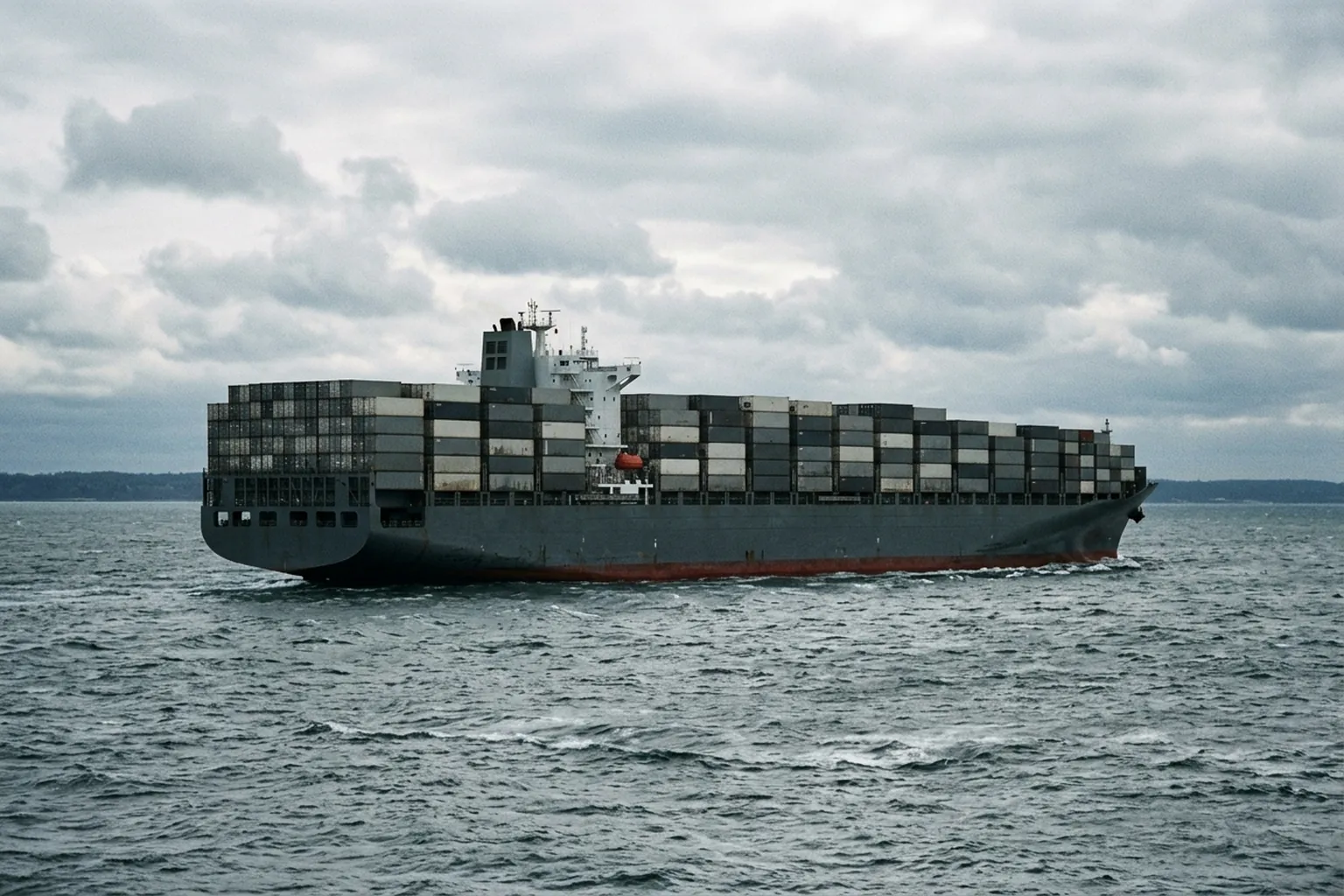
Three boundaries are worth holding separately before looking at individual charges.
A surcharge is not a hidden fee. Almost every charge discussed in this article is published somewhere — in a carrier tariff, a customer advisory, a forwarder's quotation breakdown. The value of a good forwarder is not that they can remove published charges, but that they can tell you which ones apply to your shipment before you commit, and which are passed through at cost rather than marked up.
A surcharge is not the same as an accessorial. Handling charges for something unusual about your specific cargo — over-length, dangerous goods, waiting time at a loading bay — are triggered by the shipment itself. Surcharges in the fuel and peak-season sense are triggered by the market. Both can appear on the same invoice, and the first question to ask about any unfamiliar line is which of the two it is.
A surcharge is not a tax. Customs duty, import tax and clearance-related levies sit outside the freight bill entirely and follow different rules. Nothing here changes what they cost you.
Fuel: the surcharge that follows a market
Fuel is the oldest and most predictable surcharge, because it is not priced by the carrier's judgment — it is priced by an index. The pattern is the same everywhere: a benchmark price for the relevant fuel is tracked over a set period, and a surcharge is recalculated against it at a fixed interval.
In ocean freight the charge is usually called a bunker adjustment factor (BAF), or a bunker surcharge. It is normally expressed per container when the shipment moves as FCL (full container load) and per cubic metre when it moves as LCL (less than container load) — which is the same unit the rest of the bill uses, so how volume becomes the billing unit is worth understanding before you query a surcharge line on an LCL shipment.
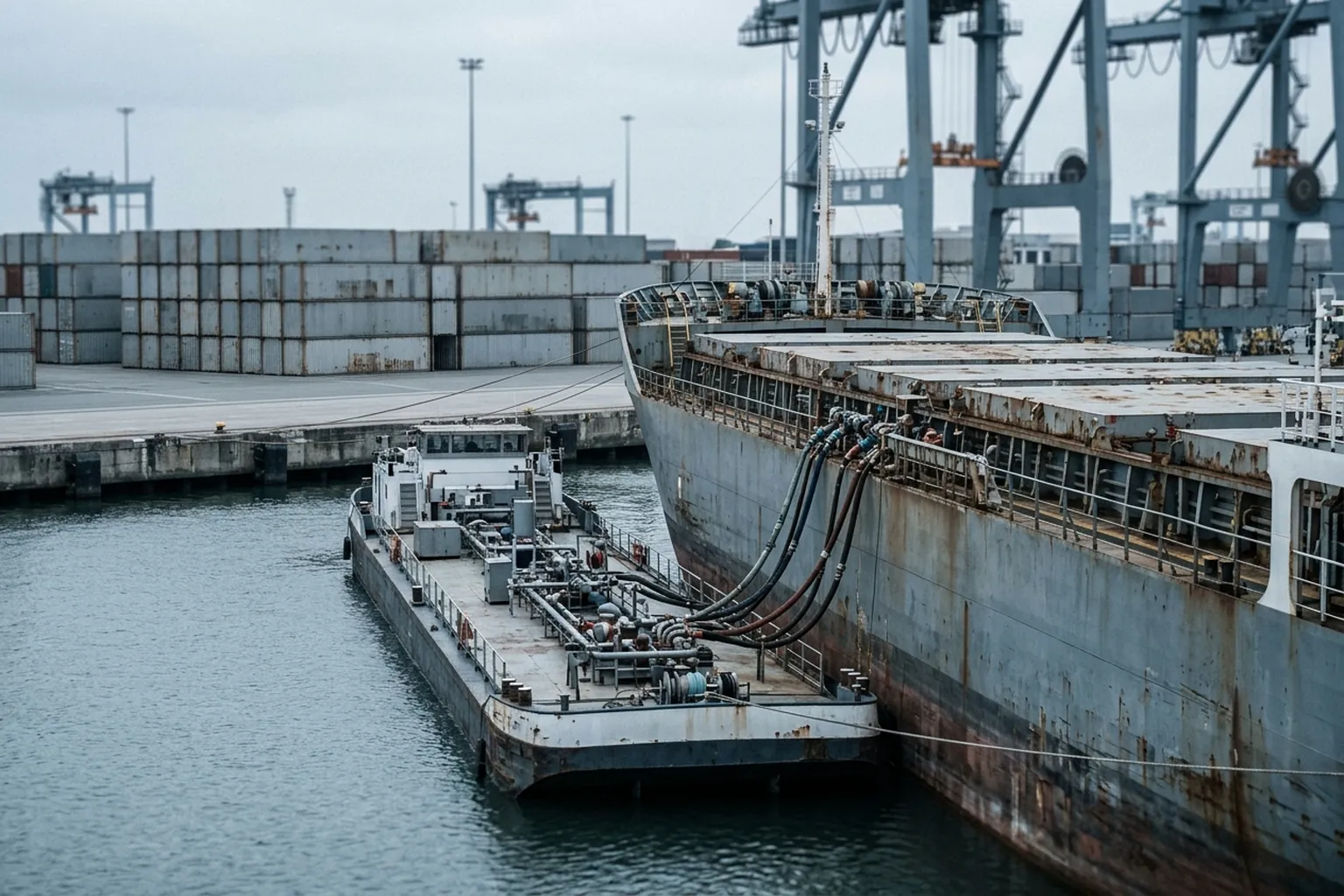
A second, quieter layer sits on top: the cost of compliant low-sulphur fuel. When the International Maritime Organization capped sulphur in marine fuel, the industry created a separate low-sulphur or environment-linked surcharge so that carriers burning more expensive compliant fuel could recover the difference without repricing the base rate. If your quotation carries both a bunker line and a low-sulphur line, that is why — they are two different cost inputs, not double counting.
In air freight the equivalent is a fuel surcharge applied per kilogram, and it moves with a jet fuel index. Because it is levied on the chargeable weight, a shipment billed on volume rather than mass carries the fuel surcharge on that volume figure. How sea and air freight structures compare on Indonesia lanes is the useful comparison if you are deciding which mode the fuel exposure is more tolerable on.
On road legs — including the inland delivery at destination — the same idea appears as a fuel-linked adjustment tied to a national diesel average. That phrase is where many shippers stop asking questions. The three that matter are: which index, sampled over what period, and how often it is recalculated. Two forwarders quoting the same shipment on the same lane can legitimately be using different fuel indices, and the resulting gap has nothing to do with anyone's margin.
The same cost is therefore priced four different ways depending on how the cargo moves, and the unit tells you where the exposure sits:
Mode | What the fuel-linked line is usually called | Unit it is normally applied to |
|---|---|---|
Ocean, FCL | Bunker adjustment factor (BAF), sometimes a bunker surcharge | The container |
Ocean, LCL | Bunker or fuel surcharge | The billing unit — cubic metres or weight |
Air | Fuel surcharge | The chargeable weight |
Road, including the inland leg | Fuel surcharge or FSC | The shipment or the weight carried |
Ocean, FCL
What the fuel-linked line is usually called
Bunker adjustment factor (BAF), sometimes a bunker surcharge
Unit it is normally applied to
The container
Ocean, LCL
What the fuel-linked line is usually called
Bunker or fuel surcharge
Unit it is normally applied to
The billing unit — cubic metres or weight
Air
What the fuel-linked line is usually called
Fuel surcharge
Unit it is normally applied to
The chargeable weight
Road, including the inland leg
What the fuel-linked line is usually called
Fuel surcharge or FSC
Unit it is normally applied to
The shipment or the weight carried
Peak season surcharge: when demand, not cost, sets the price
A peak season surcharge (PSS) is applied when demand for space outruns the capacity being deployed on a lane. It is the clearest case of a surcharge that is not really a cost recovery. It is a market adjustment, and carriers announce it as such.
In ocean freight, PSS is announced by customer advisory, with an effective window and the trade lanes it applies to. Maersk's announcement of a peak season surcharge is an example of that form of notice: a dated advisory naming the trades it applies to. Xeneta's definition in its shipping terms, DHL's logistics dictionary entry and Flexport's glossary definition all describe the same mechanism: a temporary addition to the rate when demand for space outruns the capacity deployed on a lane. That three independent sources frame it the same way is useful evidence that the practice is standard rather than the habit of one operator.
What varies is timing. In the trade calendar, the pressure periods are the run-up to the year-end retail cycle in the second half of the year, and the weeks before Chinese New Year and other long factory holidays, when production and shipping compress into a shorter window. Those are market patterns, not a schedule anyone can guarantee for a specific lane. PSS is announced trade by trade, so whether — and when — a peak-season line reaches a given lane, Indonesia-bound or transpacific, is answered by the announcement covering that trade rather than by the general calendar.
Carriers keep a second instrument in the same family: a general rate increase (GRI), a published upward adjustment to the base rate itself rather than to space on a particular sailing. The distinction matters when you compare two quotations, because a lane can look unchanged on surcharges while its base rate has just been reset.
Three practical points decide what a PSS costs you.
It attaches to space, so it is usually levied per container or per chargeable unit. On FCL cargo that means per container; on LCL cargo it is passed through on the same volume or weight basis as the rest of the bill.
It is normally announced before it takes effect. A customer advisory with a start date is a document you can act on. If your goods are ready and the booking window allows, moving the sailing before the effective date is a legitimate lever.
It belongs in the quotation as a named risk, not a surprise. A quotation that states its validity window and says explicitly whether peak-season surcharges are included or passed through is a quotation you can budget against. That is a question to ask at enquiry stage — not because the answer will be favourable, but because a defined answer can be planned for.
Port and terminal charges: the ground-level layer
The charges in this group are the least like fuel and the most like a toll: they are attached to the physical movement through a facility, and they apply whether or not the market is tight.
Terminal handling charge (THC). The cost of moving a container through a terminal at each end — lifting it off the quay, positioning it in the yard, loading it for onward movement. Origin and destination terminals are separate facilities with separate operators, so a quotation will usually show THC twice: once at the port of loading, once at the port of discharge. A frequent misunderstanding is treating the second line as an error.
Port congestion surcharge. Levied when a terminal is backed up badly enough that vessels wait, berth windows slip, or boxes sit longer than planned. It is a lane-and-time-specific charge, announced like a peak-season surcharge, and it is the one most sensitive to port conditions on the destination side. What each container type means for handling requirements is relevant here, because larger and special-equipment boxes are less substitutable when a terminal is short of yard space or handling slots.
Demurrage and detention. These are not surcharges on the freight rate. They are charges for keeping the carrier's equipment or the terminal's space longer than the free time agreed for it. The distinction matters because the trigger is entirely on the receiving side. Maersk's explanation of demurrage and detention draws the line clearly: demurrage runs while the container is inside the terminal, detention runs while it is outside it and not yet returned. The formal definitions, including how free time is counted and when each clock starts and stops, sit in the carrier's terms for detention and demurrage.
In FCL shipments the shipper controls both clocks — by clearing and collecting promptly, and by unpacking and returning the empty promptly. In LCL cargo the importer controls neither directly, because the container is shared. How the FCL and LCL structures divide responsibility is the reason the same delay can cost one shipper demurrage and leave another untouched.
Two habits reduce exposure to this group more than any negotiation: confirming the free time that applies at destination rather than assuming it, and telling your forwarder early when a documentary or payment step on your side is slipping. On the Indonesian import side we can assist and coordinate with the parties involved, but the receiving side controls the clock.
Surcharges that follow the cargo
The last group is triggered by your goods rather than the market or the facility. It is also the group where the shipper's own paperwork most reliably decides the cost.
Trigger | What it adds to the bill | What has to be right on your side |
|---|---|---|
Dangerous or restricted goods | Handling charges for a hazardous class, and the declarations that go with it | Correct classification and a declaration confirmed before booking — acceptance is decided case by case |
Over-length, over-height or over-weight cargo | Separate handling, special equipment, lashing or permits | Real maximum dimensions and weight per unit, measured after packing |
Temperature-controlled cargo | Equipment that consumes power and needs monitoring from the moment it is plugged in | Set point, ventilation and any pre-cooling requirement, stated at enquiry |
Security screening or inspection | Additional screening, plus the time and storage that follow an inspection | Documents that match the goods and the declared commodity description |
Awkward loading or delivery conditions | Waiting time and special handling at either end | Access, ramp, lifting and appointment details given in advance |
Dangerous or restricted goods
What it adds to the bill
Handling charges for a hazardous class, and the declarations that go with it
What has to be right on your side
Correct classification and a declaration confirmed before booking — acceptance is decided case by case
Over-length, over-height or over-weight cargo
What it adds to the bill
Separate handling, special equipment, lashing or permits
What has to be right on your side
Real maximum dimensions and weight per unit, measured after packing
Temperature-controlled cargo
What it adds to the bill
Equipment that consumes power and needs monitoring from the moment it is plugged in
What has to be right on your side
Set point, ventilation and any pre-cooling requirement, stated at enquiry
Security screening or inspection
What it adds to the bill
Additional screening, plus the time and storage that follow an inspection
What has to be right on your side
Documents that match the goods and the declared commodity description
Awkward loading or delivery conditions
What it adds to the bill
Waiting time and special handling at either end
What has to be right on your side
Access, ramp, lifting and appointment details given in advance
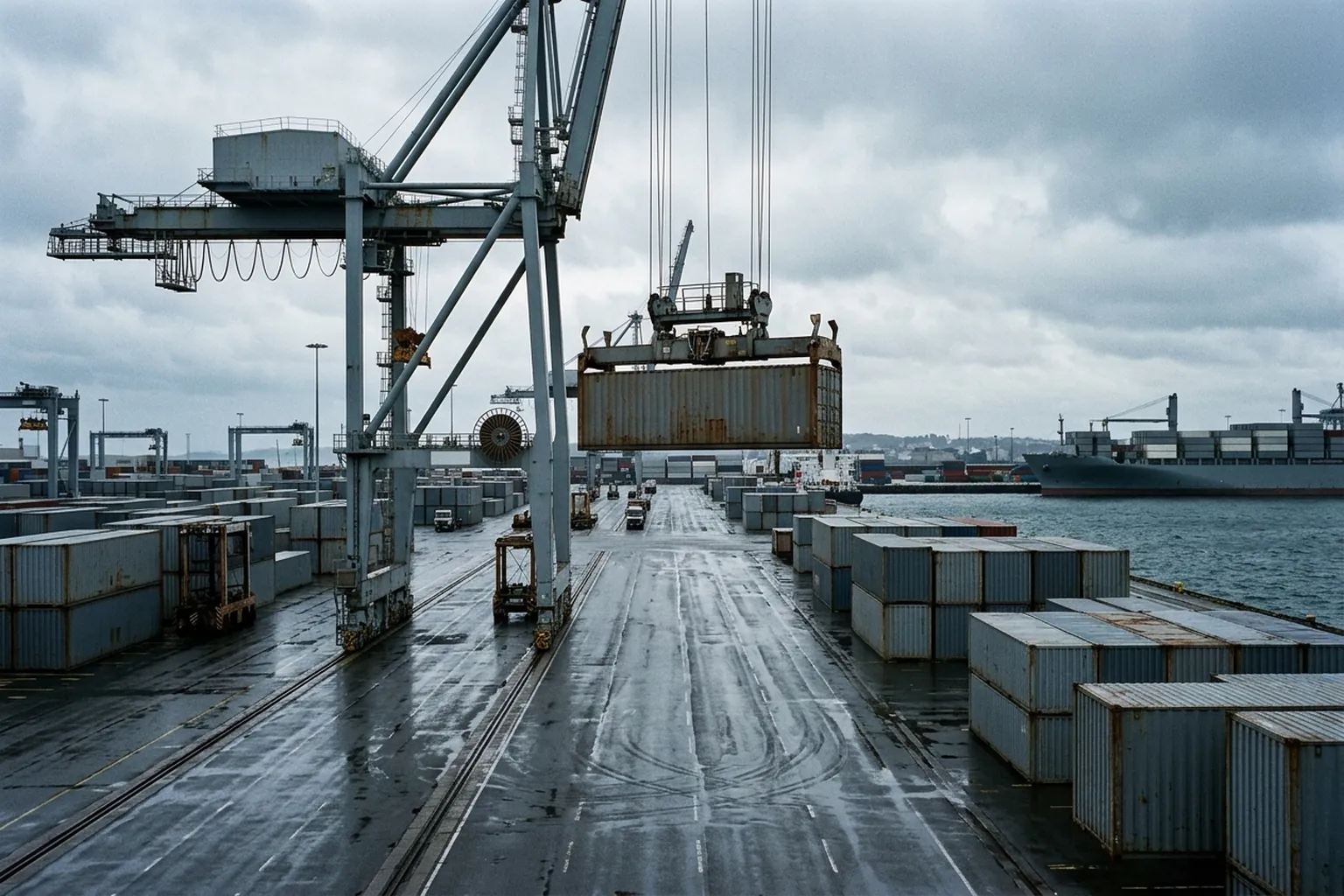
The common thread is information quality. A misdeclared commodity or an incomplete document does not only delay the shipment — it moves the cargo into a different handling category and sometimes into a different commercial tier. Accurate weight, volume, commodity description and packaging details at enquiry stage are the cheapest form of cost control available to a shipper.
Reading a quotation: fixed, floating and conditional
Once the charge families are separated, a quotation becomes a document you can interrogate. The useful split is by what makes each line move.
Line | What makes it move | What to confirm before you commit |
|---|---|---|
Base freight rate | The lane, the mode and the booking window | The validity window, in writing |
Fuel / BAF | A published fuel index, recalculated on a fixed cycle | Which index, sampled over what period, and how often it is recalculated |
Low-sulphur / environment | Compliance fuel cost | Whether it is a separate line or already inside the base rate |
Peak season surcharge | Demand against deployed capacity on the lane | The effective window, and whether your quotation includes or passes it through |
Terminal handling | The facilities at each end | Whether both origin and destination handling are shown |
Port congestion | Conditions at the terminal in question | Whether it is already applicable on the lane at booking |
Demurrage and detention | How long equipment and terminal space are held | Free time at destination, and who owns each clock under your Incoterm |
Cargo-specific accessorials | The nature of the goods | What has to be declared, and whether the shipment is accepted on standard terms |
Base freight rate
What makes it move
The lane, the mode and the booking window
What to confirm before you commit
The validity window, in writing
Fuel / BAF
What makes it move
A published fuel index, recalculated on a fixed cycle
What to confirm before you commit
Which index, sampled over what period, and how often it is recalculated
Low-sulphur / environment
What makes it move
Compliance fuel cost
What to confirm before you commit
Whether it is a separate line or already inside the base rate
Peak season surcharge
What makes it move
Demand against deployed capacity on the lane
What to confirm before you commit
The effective window, and whether your quotation includes or passes it through
Terminal handling
What makes it move
The facilities at each end
What to confirm before you commit
Whether both origin and destination handling are shown
Port congestion
What makes it move
Conditions at the terminal in question
What to confirm before you commit
Whether it is already applicable on the lane at booking
Demurrage and detention
What makes it move
How long equipment and terminal space are held
What to confirm before you commit
Free time at destination, and who owns each clock under your Incoterm
Cargo-specific accessorials
What makes it move
The nature of the goods
What to confirm before you commit
What has to be declared, and whether the shipment is accepted on standard terms
The question that produces the clearest answer is not "what is the total" but "which of these lines is fixed for the validity period, which floats, and which is contingent on something I control." A quotation that separates the three can be compared against another quotation honestly. One that presents a single number usually cannot, which is why two quotes for identical goods can arrive far apart and both be defensible.
For shipments that are still at the enquiry stage, the practical sequence is to state the goods, their packaging, the cargo-ready date and the delivery address as precisely as possible, and to ask for the surcharge structure alongside the rate. Details sent that way come back in a form that can be checked.
Freight surcharge questions shippers ask
What is a freight surcharge?
A charge added to the base freight rate for a cost that cannot be fixed when the rate is agreed — most commonly fuel, seasonal demand, or terminal and port conditions. Some surcharges follow a published index; others follow an event or the way the cargo has to be handled.
Why does my invoice exceed the quotation?
Usually because the quotation covered the base rate and the surcharges applicable at the time of quoting, and by the time of shipping a floating line had been recalculated or a seasonal line had taken effect. The way to close that gap is to ask which lines are fixed for the validity period and which are passed through at cost.
Can a peak season surcharge be avoided?
Sometimes, by timing. Because these surcharges are announced with an effective window, a shipment that can be booked and sailed before the window opens is not exposed to it. Where timing is not flexible, treat the surcharge as a budgeted line rather than a negotiating position.
What is the difference between a surcharge and demurrage?
A surcharge prices a condition of the lane. Demurrage and detention price the time equipment or terminal space is held beyond the free time agreed. The first is set by the market and the carrier; the second is largely set by how quickly the receiving side clears, collects and returns.
Who pays the destination-side charges?
It depends on the commercial terms of the sale and on who is the importer of record. For Indonesia-bound cargo, the import side involves the shipper's or buyer's own import arrangements, which we assist and coordinate on rather than determine. The Incoterm in the sales contract, not the freight quotation, decides who is liable.
Can I get one all-in figure instead?
You can ask for one, and many forwarders will quote that way. What matters is that the all-in figure states its scope: which surcharges it absorbs, its validity window, and what it excludes. An all-in figure with a defined scope is comparable and usable; one without is a total that will move.
Share the shipment details through our contact page and we respond within two hours on working days, with a preliminary quotation normally provided within 48 hours once the documents are complete. Shipments involving special goods, complex clearance or project cargo are confirmed after review rather than on the standard turnaround. Every earlier step in this cluster — mode choice, volume measurement, container types and how a weight is charged — is indexed under our freight planning guides.