
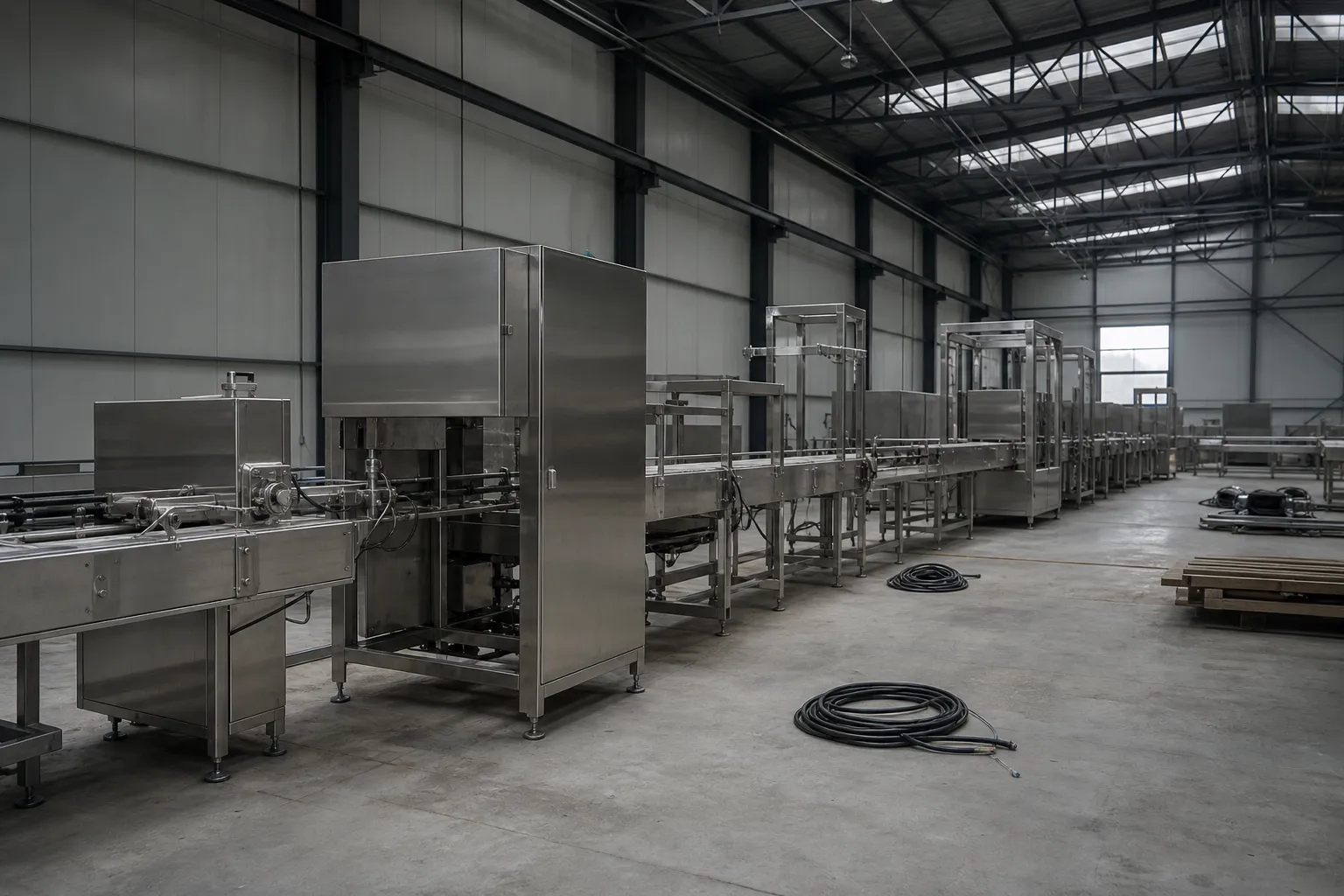
Importing machinery and production equipment into Indonesia is two decisions wearing one word, and they are made in different places. The first is what the goods are — which is fixed by a tariff line long before a vessel is booked. The second is whether this particular cargo may come in at all, which is a permission question the Indonesian side answers. A machine can be perfectly shippable as freight and still be cargo that cannot land.
The mistake almost every first-time machinery importer makes is to treat the two as one and let the second follow from the first. They meet in the middle: the tariff line you choose, or accept from a supplier, is what tells the border which controls attach to your goods — not only what is charged on them. Get the line wrong and the controls you prepared for are not the ones you meet.
This article prints no freight rate, no duty rate, no tax figure, no percentage and no currency amount. Transit times appear only where the client has published them as conditional planning references, never as guarantees. Nothing here is customs advice, and no example on this page is a client case or a quotation. Whether any given machine may be imported, and every approval that follows, is determined by Indonesian law and by the authority that administers it — not by us.
What counts as machinery — and why the tariff line decides everything downstream
There is no separate "machinery" regime in Indonesia waiting to be looked up. There is a tariff line, and the line carries the consequences.
Machinery and production equipment land overwhelmingly in two chapters of the global Harmonized System — Chapter 84 for mechanical machinery, Chapter 85 for electrical — which Indonesia implements through its national tariff book, the Buku Tarif Kepabeanan Indonesia (BTKI). The Harmonized System itself is maintained by the World Customs Organization, and it is the trunk every national tariff grows from.
Here is the part that matters commercially. A tariff line is not one number meaning "machinery". A machining centre, a filling line, a hydraulic press and the conveyor linking them are all "production equipment" on a purchase order, and all sit at different lines with different notes behind them. "It is all HS 8479", which vendor pages do say, is not a classification — it is a shrug, and a catch-all line is the fastest way to prepare for the wrong controls.
Classification is a reasoned decision made on facts about the goods, and those facts are yours to assemble. How that decision is actually reached — and what it is decided on — is a subject of its own, and our guide to HS codes and tariff classification for Indonesian imports takes it apart. What this page needs from it is the shape: you cannot answer "may this come in" until you know "what is this".
One consequence you can act on today. When a supplier offers to "handle the HS code", the code they quote is a commercial convenience, not a determination. Keep the specification sheet, the drawings and the technical description behind it — those are the same documents the Indonesian side will want if the line is questioned.
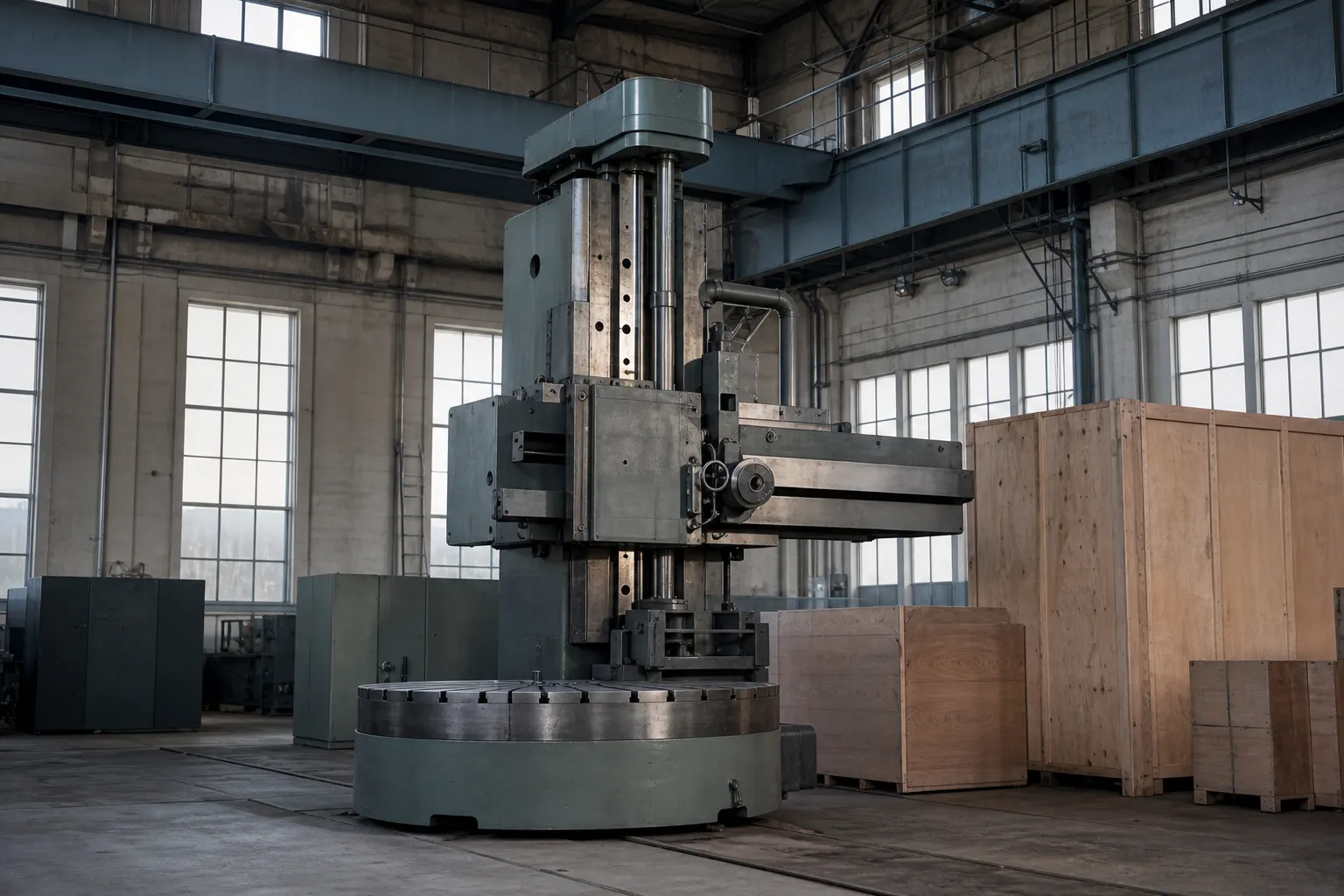
The screen every machine passes: restricted goods, import approval and technical consideration
Before any question of charges, Indonesian import control asks a prior one: is this goods restricted or prohibited? That regime is known by its Indonesian shorthand, lartas — from larangan (prohibition) and pembatasan (restriction). Prohibition means the goods may not be imported at all. Restriction means they may, but only behind a permit or a certificate that has to exist before the goods arrive.
Three things are worth separating, because they get bundled into one anxiety:
- The restriction itself. It attaches to the goods, and it is checked by tariff line. Indonesia's national trade repository lets an importer search a line and see whether any import-side requirement applies to it. This is the lookup to run before anything is booked, and it is the step most first-time machinery buyers skip.
- The approval. Where a line is restricted, an Import Approval (Persetujuan Impor) is the Ministry of Trade instrument that permits the import, and it is issued on the Indonesian side to an Indonesian importer. Product-level approvals from sector agencies — the mandatory national standard, or a registration for a controlled product family — sit in the same layer and also belong to the importer.
- The technical consideration. For a range of industrial goods, the ministry whose sector the goods belong to has to issue a technical consideration (Pertimbangan Teknis) before that approval can be issued. For industrial machinery this is the Ministry of Industry, whose permit and technical-consideration index lists the instruments it issues. The technical consideration is not a rubber stamp; it is an assessment made against the applicant and the goods.
A fourth layer attaches to some restricted goods: verification carried out before shipment, in the country of origin, by a surveyor appointed for the purpose. It exists so that the check happens while the cargo is still cheap to stop, and whether it applies to your goods is not a judgement call — the line-by-line check on the national trade repository tells you.
Two consequences follow for a machine buyer:
The screen is per line, and a production line is many lines. One installation can be part new machinery, part steel structure, part electrical components and part control equipment — each screened on its own. A project can pass on its headline machine and stall on an accessory.
Being allowed to import and being allowed to import this are different permissions. A registered Indonesian importer is still stopped by a cargo that has not cleared its own control, and the U.S. Commercial Service guide for Indonesia puts the structure plainly: importers need the identification and licence, and additionally whatever permits the goods themselves require.
Once the permit question is settled, where the entry itself lands — and what that means for inspection — is a separate matter, taken up in the difference between Indonesia's customs channels.
New or used — the fork that decides the whole track
This is the question the pages ranking for machinery imports almost never raise, and it is the one most likely to decide whether a project proceeds.
Indonesian import policy generally expects goods entering the country to be new. Machinery is the category where the exception matters most, because a second-hand line bought at a fraction of new price is a real commercial proposition — and because non-new capital goods are treated as their own permission case rather than as an exception you may assume.
What that means in practice, at mechanism level:
- A used machine starts further back. Treat it as a separate permission track with its own approval, entered earlier than a new-machine import — not "the same import with a different invoice".
- Expect an origin-side inspection. Where goods are non-new, proving condition, age and identity commonly moves to the load port: an independent verification before the unit sails, not after it lands.
- The condition statement is not a courtesy. Age, working condition, remaining service life and serial identity have to be certified in writing, and that is cheaper with the machine still on the seller's floor.
That is the shape of the fork, not a rule for one shipment; it is illustrative, not a client case, and nothing here is a quotation.
The honest advice is a scheduling one. If a used line is even a candidate, settle the permission question before the commercial one. A buyer who signs for a used line and then finds the permission track is longer than the project programme has bought a problem freight cannot fix.
Who can import the machine, and under which registration
The permission layers above are held by an Indonesian importer, so the entity question comes before the goods question — not after it.
The party on the import declaration is the importer of record, and the registration that makes it one is the business identification number (Nomor Induk Berusaha, NIB), issued through Indonesia's Online Single Submission system. Under the registration sits a distinction that matters directly to machinery buyers: an importer registered to trade goods onward, and a producer importer registered to bring in capital goods and inputs for its own use. A factory importing its own production line is the second case, not the first, and the treatment of the goods follows from that.
Which route is right, who may hold it, and how the registration relates to the older importer-identification instruments is a subject of its own — our guide to who can legally import into Indonesia works through it. What this page takes from it is the dependency: registration, then goods. An entity that can import but cannot hold what the goods need is still a stopped shipment.
Then comes the declaration itself. Machinery imports are declared like any other, and the import declaration, the PIB, is where the goods description, the declared data and the permit references all have to agree. There is a registration detail worth knowing: goods brought in by a producer importer for its own use are, in principle, not for onward transfer — a capital good is expected to stay a capital good. A factory bringing in a line for a sister company or a contractor is on the wrong registration, and that is discoverable.
The U.S. Commercial Service guide adds two things. The importing entity must hold the importer identification and the appropriate licence for its goods — and an importer without that identification may apply for a special permit reserved for temporary or limited shipments, a route that does not suit a permanent production line. The same guide notes the customs authority has revised its declaration protocols in recent years, so "we did this before" is not a reliable template. Where goods are imported for a party's own use, the customs authority keeps its own explanation of that case.
The duty-exemption facility for capital goods — a mechanism with a document bill
There is a facility, and it is the reason a machinery import sometimes costs materially less than a first reading of the charges suggests. It is also routinely misdescribed as an entitlement.
What exists is a duty-exemption facility for machinery and equipment imported to build or expand an industry, alongside a separate facility for support goods and materials. Indonesia's customs authority sets the family out on its own site: the exemptions are governed by ministerial regulations on exemption of import duty for machinery and goods for industry, with a distinct instrument for capital goods for public electricity generation. No rate is printed here, and none should be taken from a page that prints one — the treatment depends on the line, the goods and the importing undertaking, and the exemption is a facility, not a default.
The mechanism has a shape worth understanding, because it explains the timeline:
- An industry must be the importer's business. The facility is built for an undertaking that is building or expanding an industry — not for a trading company importing machinery to resell.
- A technical consideration gates it. The ministry that supervises the industry issues the Pertimbangan Teknis that the exemption rests on, and the industrial permit index above is where the instruments are listed. This step is an assessment, and it is where a thin file stops.
- The file is a document bill, and it is specific. The customs authority's own page describes what the application has to carry: a detailed machine list with quantity, type and full technical specification, broken down per port of entry; and a short outline of the production process the machines will serve. A generic equipment list does not satisfy this.
- Used condition is a separate question. The criteria are written around machines for a production or operational core, so a non-new unit meets the fork in the previous section before it reaches this one.
That is the mechanism, not advice for a particular importer. Whether a given undertaking and a given machine qualify is assessed on the undertaking's own facts, and no outcome is promised by anyone here.
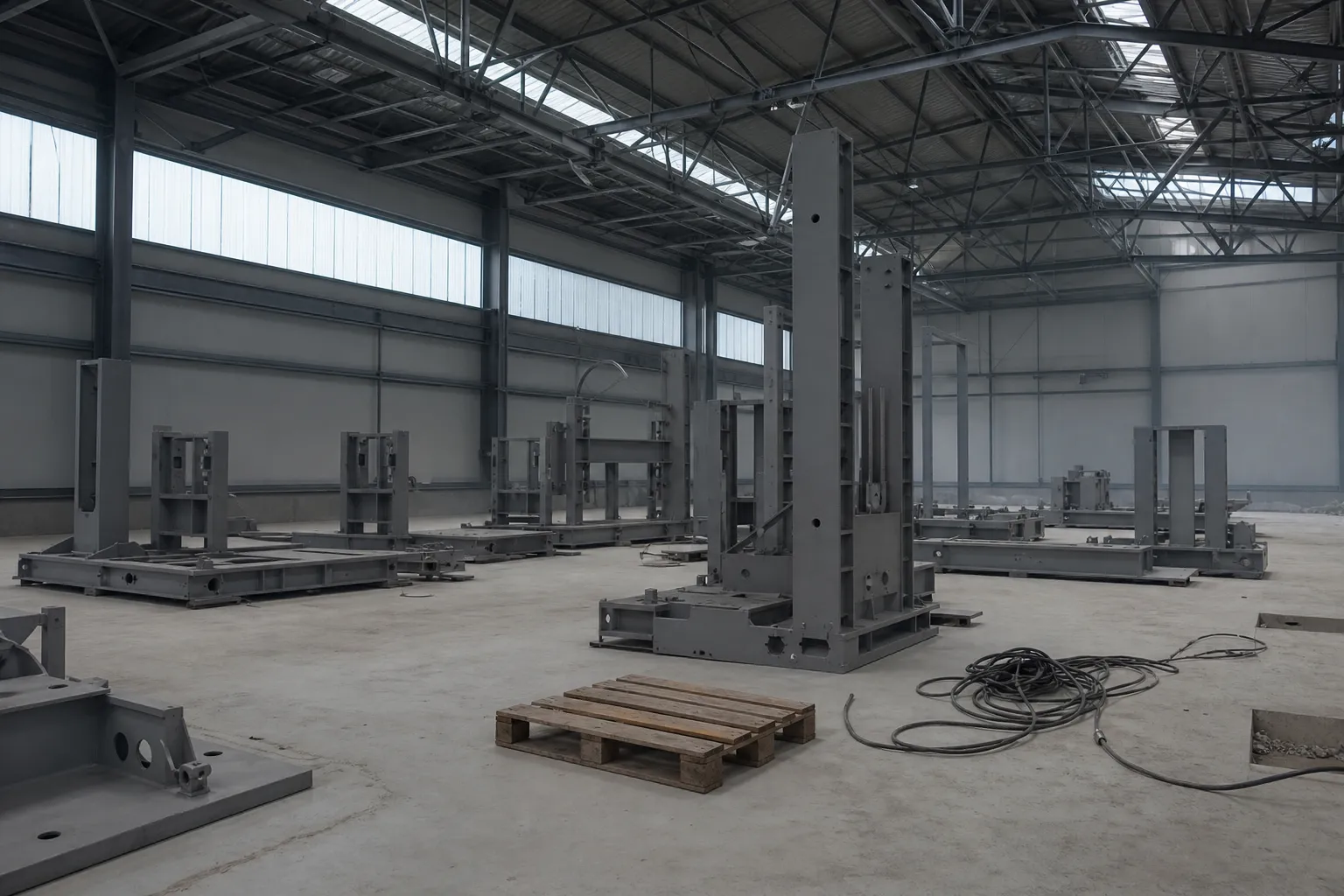
The takeaway a project manager can use: if the exemption is part of the business case, it is a workstream with its own documents, entered early — not a box ticked at the port. The specification assembled for it is close to what classification and the restricted-goods check need, so doing it once, properly, serves three steps.
What to have ready before the cargo sails
Almost every problem on this page is cheaper before the vessel sails than after it berths, and none of the fixes is a freight fix. The list is short and unglamorous.
To settle | What it actually is | Held by |
|---|---|---|
The goods description | Function, capacity, power requirement, composition, presentation — the facts a classification rests on | Seller + factory, not the forwarder |
The tariff line and its status | The line for each distinct unit of the installation, and whether any import-side requirement attaches to it | Importer, checked against the national trade repository |
The permit track | Import Approval, technical consideration, verification before shipment — whichever the goods trigger, plus the timeline each runs on | Indonesian importer and its advisers |
The entity | Who is named as importer of record, and whether that registration suits goods imported for own use | Indonesian importer |
The condition position | New, or non-new with its separate permission case and origin-side verification | Seller + importer |
The technical file | Specification sheets, drawings, technical data sheets, photographs and serial numbers, kept as the evidence behind the above | Seller |
The packing position | How each unit is crated, and whether any unit is over-dimensional | Seller + whoever loads |
The document set | Invoice, packing list and transport document describing the same consignment and the same parties | Seller + forwarder |
The goods description
What it actually is
Function, capacity, power requirement, composition, presentation — the facts a classification rests on
Held by
Seller + factory, not the forwarder
The tariff line and its status
What it actually is
The line for each distinct unit of the installation, and whether any import-side requirement attaches to it
Held by
Importer, checked against the national trade repository
The permit track
What it actually is
Import Approval, technical consideration, verification before shipment — whichever the goods trigger, plus the timeline each runs on
Held by
Indonesian importer and its advisers
The entity
What it actually is
Who is named as importer of record, and whether that registration suits goods imported for own use
Held by
Indonesian importer
The condition position
What it actually is
New, or non-new with its separate permission case and origin-side verification
Held by
Seller + importer
The technical file
What it actually is
Specification sheets, drawings, technical data sheets, photographs and serial numbers, kept as the evidence behind the above
Held by
Seller
The packing position
What it actually is
How each unit is crated, and whether any unit is over-dimensional
Held by
Seller + whoever loads
The document set
What it actually is
Invoice, packing list and transport document describing the same consignment and the same parties
Held by
Seller + forwarder
Two entries deserve a sentence each.
Keep the technical evidence, not just the commercial documents. The invoice and packing list describe a sale; the specification and drawings describe the machine. Where a line is questioned it is the second set that answers — and it is the set most likely to have been left with the supplier.
Make the entity and the goods agree on paper. The name on the declaration, the registration behind it and the tariff lines declared have to describe the same transaction — and so do the declared value and the goods description. How Indonesian customs values a shipment explains why a mismatch between "what was invoiced" and "what arrived" turns a routine entry into a question.
How the machine travels: packing, oversize and the project-cargo handoff
Machinery is where "shipping" stops being a container decision, and the movement layer has its own preparation.
Crating and wood. Industrial units travel in wooden cases and on timber bases, which puts wood packaging inside the receiving country's plant-health rules. Whether the timber is treated and marked as required is settled with whoever crates the machine — a case that fails it is a delay at the border for a reason that has nothing to do with the machine.
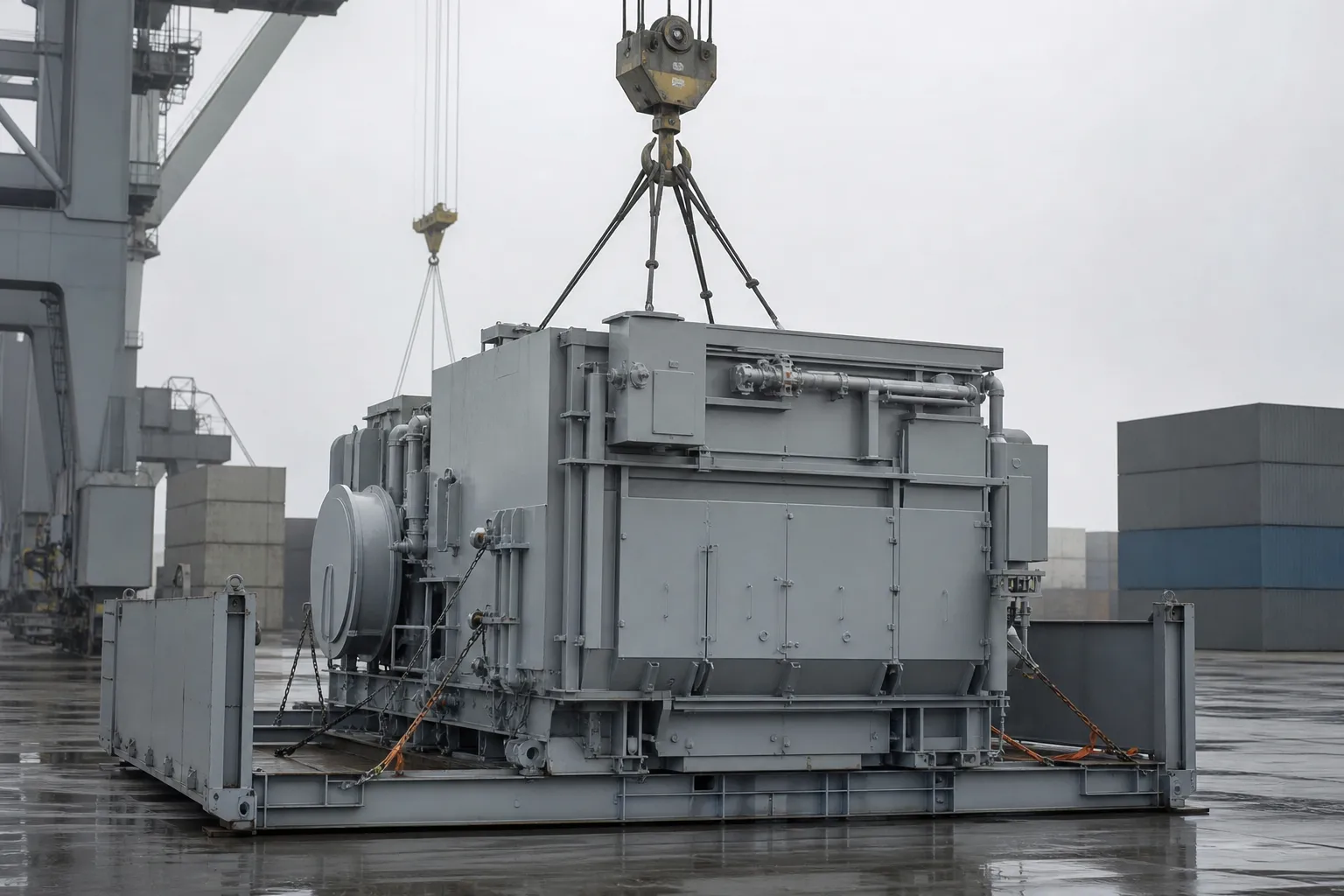
Over-dimensional units. A large machine tool, a press, a long process vessel or a heavy base frame may not fit a standard box at all: those travel on non-standard equipment, are loaded by crane rather than reach stacker, and take longer to plan. The standard container types are the starting point; a unit outside those dimensions becomes a project-cargo movement with its own survey, lifting plan and permits.
Sequencing against the site. A production line is not a shipment; it is an installation with an order. Which unit must be on site first decides whether the cargo is one booking or several — modules installed in sequence should not all arrive on the same vessel.
This is where the work becomes coordination rather than carriage. Our project logistics service covers the movement side for equipment of this kind; the boundary of what we do is set out toward the end of this page.
After the border: the machine as regulated equipment in service
Clearing the border is not the end of the machine's regulatory life. It is the end of its life as cargo.
Once a production machine is installed and running it stops being an imported good and becomes equipment in service, and the receiving country's rules about that equipment begin to apply. Machine safety and guarding, the testing of certain classes of powered and production equipment, and the competence of the people who run it are typically obligations of the operator, not the supplier — and they are set nationally. A CE marking, an ISO certificate or a factory acceptance test does not discharge them: those describe how the machine was built, not how it is run in its new home.
So the practical consequence is a budget line and a timetable entry. Before the purchase order is signed, find out what your equipment class has to satisfy in service, who owns that internally, and when it has to happen. A machine that clears customs and then cannot legally be started is a stopped project with an unusually good customs story.
This is a general statement of a mechanism, not advice on any specific equipment class; what applies to your machine is set by the receiving country and should be confirmed on the Indonesian side.
Machinery import questions we are asked
Can a used production line be imported into Indonesia?
Sometimes, but not on the same track as a new one: non-new capital goods are a distinct permission case and commonly attract verification in the country of origin before shipment. Settle that before the commercial negotiation — the timeline is the risk, not the freight.
Who decides which tariff line my machine is in?
The classification is a determination made on the facts of the goods, and the Indonesian side is where that determination lands. The supplier's suggested code is a commercial convenience. Your job is to arrive with the facts — the technical description, the function, the presentation — that make the determination defensible.
My supplier says it is all HS 8479. Is that fine?
No. A catch-all line is how a project prepares for the wrong controls. A production line is several distinct units at several distinct lines, and the controls attach per line.
Can I get the duty exemption for importing a machine?
The facility exists for machinery imported to build or expand an industry, and it is gated by a technical consideration from the supervising ministry. It is not automatic: it is an application with a specific document bill, assessed on the importing undertaking's own facts. Nothing is quoted here, and nothing should be taken from a page that quotes a figure.
How long does any of this take?
There is no single number, and any page that gives you one for the whole chain should be read with suspicion. Indonesian approvals and technical considerations run on the authority's own assessment of the file, and used-goods verification adds an origin-side step before the cargo moves. What is within your control is how complete the file is when it goes in — which is why everything above is framed as preparation.
What we do on this route, and what the authority decides
On this side of the shipment, our work is documentary and coordinative. We check the goods description, the classification basis, the declared data and the supporting documents against the transport documents, so that the invoice, the packing list and the entry describe the same consignment before it sails — and we coordinate with the importer of record and the licensed customs service provider on the Indonesian side so that the entity on the declaration matches the cargo that lands.
We do not decide who may import, and we do not grant anything. Whether a machine may be imported, whether a line is restricted, whether a technical consideration is issued and whether an exemption is granted are determinations the Indonesian authorities make on the applicant's own facts — and the most useful thing we can tell a machinery buyer is where those determinations sit, so that preparation starts from a complete file. The export-side documentation that carries the goods description out of China runs through our customs declaration and inspection service.
This article is one of the cargo-specific guides in our cargo requirements hub, which takes the question "may this particular cargo come in?" apart by category.
Yanchao Logistics works the China–Indonesia route — the freight, and the documentation and coordination that goes with it. If a machine or a line is coming, send us the goods description, the intended importing entity and the cargo's tariff position through our contact page; we respond within two hours on working days, and a preliminary quotation is normally provided within 48 hours once the documents are complete. Shipments involving restricted goods, complex product approvals or project cargo are confirmed after review rather than on the standard turnaround.